

Skin Redness on Face: Causes, Fast Relief, and Long-Term Calm
Introduction: Why Facial Redness Feels Impossible to Manage
Facial redness affects more than your appearance. It erodes confidence during video calls, makes photos feel like minefields, and turns first impressions into sources of anxiety. Studies from the National Rosacea Society show that 76% of rosacea patients report embarrassment, while 54% experience anxiety or depression linked to visible flushing.
Skin redness on face can appear as sudden flushing, diffuse red patches, visible blood vessels, or a burning sensation that lingers even when redness fades. This can be temporary or persistent facial redness depending on the underlying cause. Furthermore, the reason redness keeps returning often goes deeper than sensitive skin alone — when the skin barrier and acid mantle are disrupted, your skin loses its protective defenses and triggers a cycle of inflammation that is difficult to break.
Types of Face Redness: What Your Skin Is Telling You
Not all facial redness shares the same mechanism. Understanding the pattern helps you manage redness more effectively and choose appropriate responses.
Irritant-Induced Redness
Irritant-induced redness develops from over-exfoliation, retinol burn, or harsh skincare products. You will typically notice burning, tightness, and mottled redness confined to treated areas. This type of skin redness on face usually resolves within 1–7 days if you stop the trigger and support the barrier immediately.
Vascular Redness
Vascular redness involves persistent flushing, small blood vessels visible on the skin surface, and a chronic condition that can resemble a permanent sunburn. This type often indicates rosacea or repeated exposure to extreme temperatures that dilate blood vessels over time.
Allergic Redness
Allergic redness appears suddenly as itchy, sometimes swollen red patches after exposure to fragrance, preservatives, nickel, or certain botanicals. This is contact dermatitis — a skin condition that causes a localized allergic reaction exactly where the irritant touched. Consequently, identifying and removing the triggering ingredient is the primary treatment step.
Environmental Redness
Environmental redness results from UV exposure, cold wind, dry indoor heating, and pollution. Drastic temperature changes, allergens, and strong chemicals can trigger temporary redness and irritation. Classic sunburn and winter windburn fall into this category. Furthermore, certain autoimmune conditions like lupus or severe eczema can also cause chronic redness and should be evaluated by a board-certified dermatologist.
The Acid Mantle Connection: Why Most Redness Won't Go Away
Your acid mantle is a slightly acidic protective film (pH 4.5–5.5) made of lipids, sweat, and natural moisturizing factors. It is your skin's first line of defense against irritants and pathogens. Over-cleansing, high-pH foaming washes, alcohol-based toners, and strong actives like retinoids repeatedly strip this mantle. Research shows transepidermal water loss can increase 5–10 times in compromised skin.
The Inflammatory Cycle
Damaged acid mantle leads to water loss and micro-cracks, allowing irritants to penetrate easily, causing more redness and irritation, which further breaks down the barrier. Consequently, this explains the persistent skin redness on face seen in rosacea, eczema, and other chronic skin conditions. The cycle does not resolve on its own without targeted intervention.
How HOCl Spray Interrupts the Cycle
Prejuv Reset Spray — a 3-ingredient, 100 ppm HOCl formula — interrupts this cycle by restoring the skin surface to its optimal pH ~5.5, reactivating ceramide synthesis enzymes and reducing NF-κB-mediated inflammatory signaling simultaneously. As a skin-identical molecule naturally produced by the immune system, HOCl reduces inflammation without disrupting new skin cells or stinging raw skin. Furthermore, it is suitable for rosacea-prone and reactive skin, making it the correct first response step after any facial redness flare.
How to Calm Face Redness Fast (First 30 Minutes)
Most flare-ups can be softened within 30 minutes using a simple protocol at home.
Step 1 — Stop the Trigger
Immediately rinse off any new or harsh product with cool water. Pat dry gently — no rubbing. Applying a cool compress to the affected area for 10–15 minutes can provide additional relief from redness and inflammation.
Step 2 — HOCl Spray
Mist Prejuv Reset Spray from 15–20cm away and let it air-dry. This reduces stinging sensations, lowers surface pH back toward the antimicrobial range, and keeps compromised skin clean without adding chemical stress.
Step 3 — Ceramide Moisturizer
Apply a fragrance-free ceramide cream to slightly damp skin. This locks in moisture and helps rebuild the lipid barrier. Look for Ceramide NP/AP/EOP combined with panthenol and squalane for maximum barrier-repair effect.
Step 4 — Mineral SPF (Daytime)
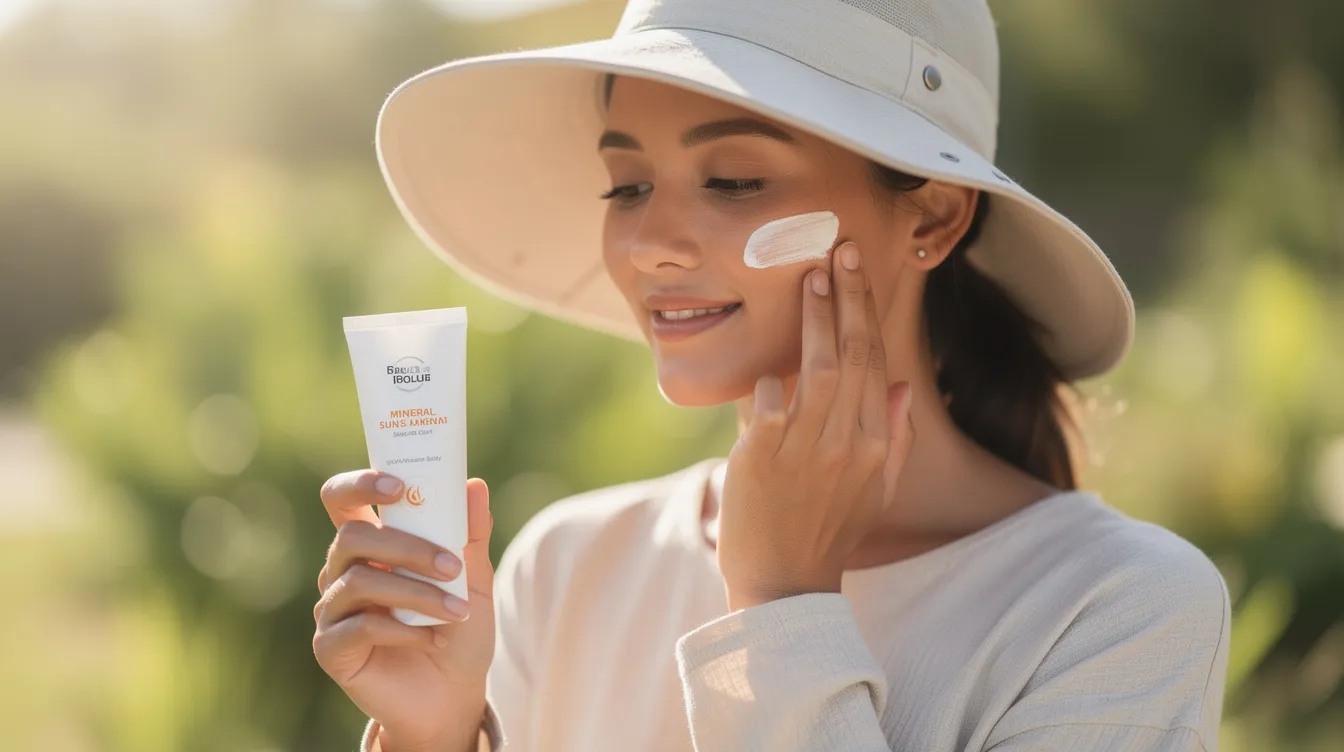
Finish with zinc oxide or titanium dioxide sunscreen, SPF 30+. Mineral SPF reflects UV rays without chemical load that can sting reactive skin. Applying broad-spectrum sunscreen daily is crucial for preventing and managing skin redness on face — UV exposure restarts the cytokine cascade that compounds recovery time.
Avoid during this window: acids, retinoids, scrubs, hot compresses, essential oils, and heavy makeup. If redness is accompanied by severe swelling, hive-like welts, difficulty breathing, or eye involvement, seek urgent medical care immediately.
Common Triggers to Identify and Avoid
Long-term redness control depends as much on avoiding triggers as on using the right products. Skin redness on the face can be triggered by product ingredients, environmental conditions, behaviors, and lifestyle choices.
Product Triggers
- Synthetic fragrance — irritates 30–50% of sensitive skin
- Drying alcohols such as denatured alcohol and SD alcohol
- Sulfates (SLS/SLES) that strip the acid mantle with every cleanse
- High-pH foaming cleansers (pH 7–9)
- Overuse of retinoids and strong exfoliating acids
Always patch test new products for 24–48 hours before applying to the full face.
Environmental Triggers
Excessive sun exposure causes sun damage and long-term skin cell degradation, particularly in fair skin. Furthermore, extreme heat (saunas, hot yoga), cold temperatures, indoor heating, and sudden temperature shifts all dilate blood vessels and worsen flushing.
Behavioral Triggers
- Over-cleansing more than twice daily
- Very hot showers or steam exposure
- Aggressive scrubbing or cleansing devices
- Exercising without applying Prejuv Reset Spray and ceramide moisturizer afterward
Diet and Lifestyle Triggers
Spicy foods, alcohol (especially red wine), sunlight, stress, and hot drinks are common rosacea-specific triggers. Keep a redness diary for at least 2 weeks — logging products, weather, food, and stress levels — to discover your personal trigger patterns.
Building a Routine That Prevents Redness Long-Term
A barrier-first approach is the most reliable way to maintain calmer skin. Clinical trials show ceramide regimens can reduce flares by 50–70% in 12 weeks. The key is consistency — not more products.
AM Routine for Redness-Prone Skin
Cleanse only if needed with a low-pH, sulfate-free cleanser or a lukewarm water rinse. Apply Prejuv Reset Spray (2–3 pumps, 30 seconds) to restore the acid mantle and reduce surface bacterial load. Follow with a fragrance-free ceramide moisturizer on slightly damp skin. Finish with mineral SPF 30–50 formulated for sensitive skin. Avoid Vitamin C, AHAs, and strong actives until skin redness is fully controlled.
PM Routine for Redness-Prone Skin
Cleanse gently with a low-pH sulfate-free cleanser to remove sunscreen and pollution. Apply Prejuv Reset Spray (2–3 pumps) to reduce inflammation and support overnight barrier repair. Apply a richer ceramide moisturizer on slightly damp skin. Furthermore, actives like retinoids should only be reintroduced slowly after redness is fully controlled — use the ceramide sandwich method from the first application.
Supporting Ingredients
Look for ceramides, panthenol, colloidal oatmeal, allantoin, and glycerin. Limit strong AHAs, high-strength retinoids, menthol, eucalyptus, and heavy fragrance loads. Pair your routine with adequate sleep, stress management, and consistent hydration for synergistic results.
When Face Redness Is a Sign of Something More
Some skin redness on face indicates a chronic condition requiring professional evaluation rather than home management alone.
Rosacea
Rosacea is a chronic skin condition characterized by persistent facial redness and visible blood vessels, often accompanied by small red pus-filled bumps that resemble acne but lack blackheads. The exact cause is not fully established, but it likely involves an overactive immune response and environmental triggers. In severe cases, laser treatments such as IPL and pulsed dye lasers can reduce visible vessels by 50–75%. Topical prescription treatments including metronidazole and azelaic acid can help reduce inflammation and redness.
Eczema
Eczema presents as dry, itchy, rough red patches that can crack and ooze, often worsening in colder months. Barrier repair with fragrance-free ceramide products is the foundation of management. Consequently, the same HOCl + ceramide protocol used for irritant redness is directly applicable during eczema flares.
Contact Dermatitis and Perioral Dermatitis
Contact dermatitis creates red, itchy patches exactly where a product touched — removal of the trigger is the primary treatment. Perioral dermatitis shows small red bumps and scaling around the mouth, nose folds, or eyes, often worsened by heavy creams or topical steroids.
When to See a Dermatologist
See a board-certified dermatologist if: redness lasts more than 3–4 weeks, you experience frequent flare-ups, there is pain or skin thickening, eye involvement occurs, or you suspect an underlying condition. Bring product lists and photos to help develop a customized treatment plan.
FAQ About Facial Redness
How long does face redness last?
Transient flushing from emotion or extreme heat resolves in minutes to hours. Irritant reactions take hours to days. Sunburn typically clears in 3–7 days. Chronic redness from conditions like rosacea requires ongoing management and may need professional treatment.
Can redness be permanent?
Yes. Long-standing rosacea can cause persistent skin redness on face and visible spider veins that may need laser therapy to significantly improve. Early intervention helps prevent permanent vascular changes.
What ingredients make redness worse?
Common culprits include denatured alcohol, strong fragrances, menthol, eucalyptus, high-percentage AHAs/BHAs, benzoyl peroxide overuse, and repeated use of harsh skincare products on an unrestored barrier.
Is redness the same as rosacea?
No. While rosacea always includes facial redness, not all redness indicates rosacea. Distinguishing signs include persistent flushing beyond triggers, pus-filled pimples without blackheads, and visible vessels that do not resolve.
Can I still use retinol if I get red easily?
Yes, cautiously. Repair your barrier first with Prejuv Reset Spray, ceramides, and panthenol. Then reintroduce low-strength retinol 1–2 nights per week using the ceramide sandwich method — ceramide moisturizer before and after retinol application.
Will a gentle routine alone fix my redness?
Many mild to moderate cases improve significantly with strict trigger avoidance and barrier-first care. However, severe or chronic skin redness on face should be co-managed with a dermatologist for the best long-term outcome.
Prejuv Reset Spray
When skin feels red, hot, or reactive
HOCl 100 ppm · 3 ingredients · Fragrance-free
Free shipping on orders $45+