

Irritated Skin: Causes, Calming Tips, and Barrier-Repair Solutions
If your face has ever felt hot, tight, or stingy after trying a new serum, you're far from alone. Irritated skin has become one of the most common skincare complaints in 2026, driven by potent actives, urban pollution, and habits like frequent handwashing. The good news? With the right approach, irritated skin is completely fixable.
What Is Irritated Skin?
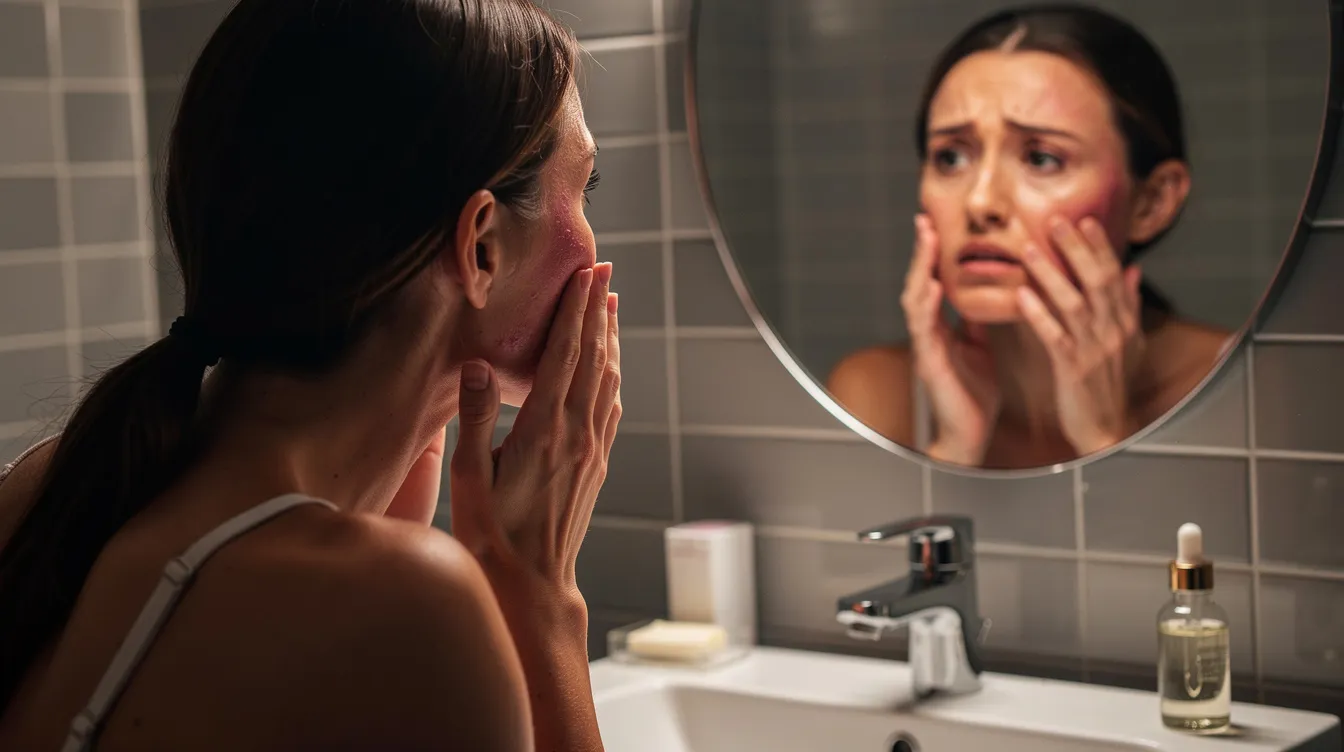
Irritated skin refers to redness, burning, stinging, itching, tightness, or rough texture that appears even when there's no obvious rash or diagnosed skin condition. It's a symptom, not a diagnosis — your skin signaling that something has disrupted its protective barrier.
This irritation can show up anywhere: face, neck, hands, or body. It affects every skin tone, though it may look different depending on your complexion. On lighter skin, you'll often see bright redness or flushing. On darker skin, irritation tends to appear as deeper brown, gray, or purple patches.
It's important to distinguish irritated skin from a true allergic reaction or bacterial infections. While both can cause redness and discomfort, an allergic reaction often involves swelling, hives (urticaria), or spreads rapidly beyond the contact area. Infections typically include pus, fever, or crusting. Irritation from daily triggers tends to stay localized and responds to gentle care.
Irritation vs. Allergy: Irritation damages skin directly through harsh substances. An allergic contact dermatitis reaction involves your immune system responding to a specific allergen after sensitization.
At Prejuv, we find that irritated skin is usually linked to a weakened skin barrier and overuse of actives like retinol, AHAs, BHAs, and benzoyl peroxide. Understanding this connection is the first step toward lasting relief.
How Common Is Irritated Skin Today?
Since around 2020, multi-step skincare routines featuring potent ingredients have become mainstream. Add in pandemic-era handwashing habits, stronger product formulations, and urban pollution, and you have a perfect storm for barrier damage and skin irritation.
Almost every skincare user will experience irritation at least once, especially when introducing new products or treatments. Common situations include:
- Starting retinol during dry winter months
- The day after a chemical peel or dermaplaning session
- Post-sun exposure at the beach
- Switching to a new cleanser or toner
- Chronic conditions like eczema or rosacea flares
Who Is Most Likely to Get Irritated Skin?
While irritated skin affects all ages, certain groups face higher risk. Infants and toddlers often develop irritation in the diaper area, on cheeks, or around the mouth. Teens frequently experience irritation from acne treatments — high-strength retinoids and benzoyl peroxide can turn "purging" into true barrier damage. Adults in their 20s–40s commonly over-exfoliate or layer too many actives.
People with pre-existing skin conditions like eczema, rosacea, psoriasis, and skin allergies face increased vulnerability. Occupational groups also carry risk: healthcare workers using hand sanitizer constantly, hairdressers exposed to dyes, and food service workers dealing with hot water and detergents.
Common Causes of Irritated Skin
Irritation typically stems from something external (products, environment, friction) or internal (hormones, stress, medications). Here are the primary culprits:
- Harsh or overused skincare ingredients: Strong retinol, vitamin C, AHAs/BHAs, benzoyl peroxide, fragrance, and alcohol-heavy toners can strip the skin barrier.
- Compromised barrier from over-cleansing: Hot showers, excessive washing, and physical scrubbing damage the protective lipid layer of the skin barrier.
- Environmental stressors: Cold wind, indoor heating dropping humidity below 30%, UV rays, and urban pollution increase skin inflammation and dryness.
- Allergens and irritants: Fabrics, detergents, insect bites, and cleaning products can cause skin rash symptoms and allergic contact dermatitis.
- Medical conditions: Contact dermatitis, seborrheic eczema, rosacea, and other skin diseases requiring medical treatment.
Signs and Symptoms: How Does Irritated Skin Look and Feel?
Irritation presents differently across skin tones. Lighter skin often shows bright redness or flushing. Darker skin may display deeper brown, gray, or mottled patches. Key sensitive skin symptoms to recognize include:
- Redness, flushing, or darker/mottled patches on affected areas
- Burning, stinging, or a "hot" sensation after applying products or water
- Itching, tightness, or feeling like your skin is "too small for your face"
- Rough, scaly, or flaky patches, especially around the nose, mouth, and eyes
- Increased visibility of fine lines due to dehydration and dryness
| Sign | Irritation | Allergic Reaction | Infection |
|---|---|---|---|
| Onset | Immediate to 48 hours | May take days (delayed hypersensitivity) | Variable |
| Appearance | Dry, red, rough patches | Hives (urticaria), swelling (angioedema), spreads rapidly | Pus, crusting, warmth |
| Sensation | Burning, stinging, irritation | Intense itching | Painful, hot |
| Fever | No | Rarely | Often |
When Irritated Skin Is an Emergency
Most irritation is mild and manageable at home. However, some symptoms require immediate medical attention:
- Rapidly spreading rash or swollen skin, especially around eyes, lips, or tongue (angioedema)
- Difficulty breathing, dizziness, or tightness in throat (possible anaphylaxis — call emergency services immediately)
- Painful rash that's hot, very swollen, and suggests infection like cellulitis
- Blisters, open sores, or skin peeling over large areas
- High fever, headache, or feeling very unwell alongside a new rash
Prejuv Reset Spray is designed for mild to moderate irritation and barrier repair. It is not a substitute for emergency medical attention when you experience severe allergic reactions or infections.
How to Calm Irritated Skin at Home (Step-by-Step)
When your face suddenly feels hot, red, or stingy, these concrete steps can relieve discomfort within 48–72 hours:
- Stop all potential irritants immediately: Pause retinol, acids, scrubs, clay masks, strong vitamin C, and fragranced products.
- Simplify cleansing: Use gentle, fragrance-free, low-foam, pH-balanced cleansers with lukewarm water once or twice daily.
- Pat dry gently: Use a soft cotton towel and avoid rubbing.
- Apply barrier-supporting moisturizer: Look for ceramides, cholesterol, and fatty acids in a generous layer.
- Use a soothing mist: Prejuv Reset Spray — a 3-ingredient, 100 ppm HOCl formula — calms redness and supports the skin's natural defenses.
- Protect with mineral sunscreen: Zinc oxide SPF 30+ when going outdoors, even in early spring.
Additional home comforts help: cool compresses (not ice directly on skin), a humidifier in dry indoor air, and avoiding very spicy food, heat, and hot showers. At Prejuv, our minimal barrier-first routine — Prejuv Reset Spray + ceramide cream + panthenol serum — provides exactly what most irritation needs to heal.
Prejuv's Approach: Repairing the Skin Barrier
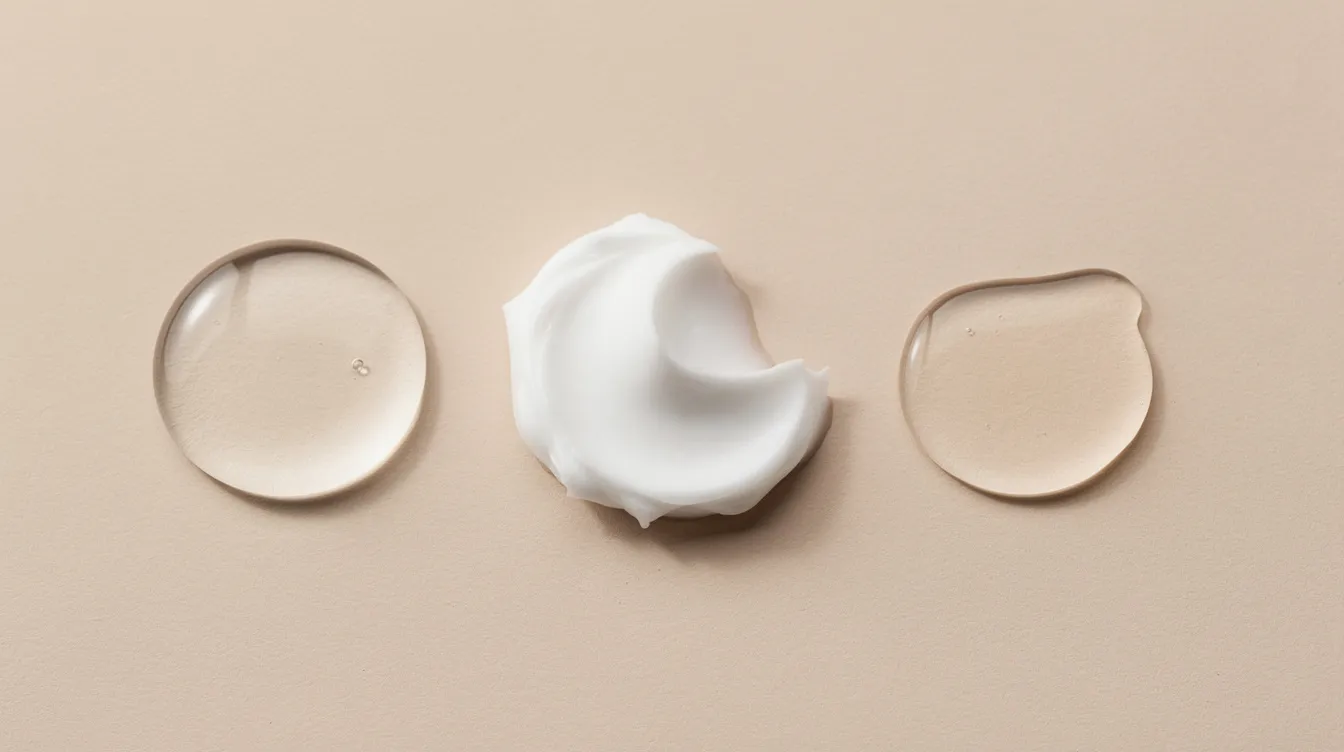
At Prejuv, we believe irritated skin is usually barrier-damaged skin. Our goal is to restore that barrier, not just cover up redness with temporary fixes. Your skin barrier (the stratum corneum) works like a brick-and-mortar wall. When this structure breaks down, moisture escapes and irritants penetrate — leading to that familiar burning, tight, reactive feeling.
Hypochlorous Acid (HOCl)
Prejuv Reset Spray — a 3-ingredient, 100 ppm HOCl formula — is a gentle, skin-compatible molecule that calms redness, reduces inflammation, and supports a healthy skin microbiome. It is ideal after retinol burn or dermatological procedures.
Ceramides
Key lipids that rebuild the barrier "mortar" and prevent moisture loss. Essential for dry skin recovery and restoring barrier integrity.
Panthenol (Pro-Vitamin B5)
A humectant with soothing, water-binding properties that relieves tightness, itching, and other discomfort.
A typical Prejuv user with retinol irritation would reset their routine using Prejuv Reset Spray, ceramide cream, and panthenol serum for 2–3 weeks before slowly reintroducing actives. This gives the barrier time to recover properly.
Common Irritation Triggers in Everyday Life
Irritation often links to small daily habits rather than one "bad" product:
- Over-cleansing and hot water: Washing more than twice daily or taking long hot showers strips natural oils and damages the skin barrier.
- Physical over-exfoliation: Scrubs with rough particles, harsh facial brushes, or too-frequent dermaplaning create micro-tears that increase sensitivity.
- Fragrance and dyes: Found in skincare, body lotions, laundry detergents, and fabric softeners, these can cause allergic contact dermatitis or irritation.
- Fabrics and friction: Rough towels, tight masks, helmet straps, or collars rubbing the neck can trigger irritation and rashes.
- Seasonal shifts: Cold wind and low humidity in winter; sweat, heat, and UV in summer can inflame sensitive skin.
Common Mistakes to Avoid With Irritated Skin
Ignoring the Root Cause
One of the biggest mistakes is not identifying what triggered your irritation in the first place. Pause all new products and consider what's changed in your routine, environment, or exposure to allergens.
Using Harsh Products
It's tempting to "scrub away" irritation, but using abrasive cleansers, strong exfoliants, or fragranced creams can strip sensitive skin further and worsen irritation. Stick to gentle, fragrance-free cleansers and barrier-supporting moisturizers.
Skipping Moisturizer
Dry, irritated skin needs moisture to heal. Not applying a barrier-supporting moisturizer after cleansing can leave skin vulnerable to further damage. Choose fragrance-free formulas and apply while skin is still slightly damp.
Neglecting Prevention
Failing to protect your skin from common irritants and allergens can lead to recurring flares. Wear protective clothing outdoors, avoid direct contact with known irritants whenever possible, and maintain barrier health.
How to Prevent Irritated Skin Going Forward
Once your skin has calmed, prevention focuses on gentle consistency and respecting the barrier:
- Introduce new actives slowly: Start retinol 1–2 nights per week, then gradually increase.
- Patch test new products: Apply along the jawline for several nights before full-face use to catch allergic reactions or sensitivity.
- Limit exfoliation frequency: 1–2 times weekly for sensitive skin to avoid barrier disruption.
- Keep a simple core routine: Cleanser + barrier moisturizer + sunscreen, layering extras only when skin is stable.
- Choose fragrance-free, alcohol-free formulas: Especially for long-term care of sensitive skin and to reduce allergic contact dermatitis risk.
When to See a Dermatologist About Irritated Skin
Professional help is valuable when irritation persists or keeps recurring despite gentle care. Signs it's time for a visit:
- Irritation lasting more than 2–3 weeks despite simplifying your routine.
- Constant flares after sun exposure, temperature changes, or specific foods (possible rosacea or allergies).
- Areas that crack, ooze, or become very thick and scaly (possible eczema or psoriasis).
- Frequent eye or lip irritation suggesting contact allergy or allergic contact dermatitis.
Family physicians can provide referrals, and dermatologists can perform patch testing, prescribe appropriate treatments, and design routines incorporating barrier-repair products.
FAQs About Irritated Skin
Is irritated skin the same as sensitive skin?
They overlap but differ. Sensitive skin is often a long-term trait — your skin consistently reacts more than average. Irritated skin can be a short-term state anyone experiences after exposure to harsh products, allergens, or environmental factors.
How long does it take irritated skin to heal?
Mild irritation typically improves within a few days to two weeks with proper barrier care. More severe conditions may take longer and benefit from a dermatologist's guidance.
Can I keep using retinol if my skin is irritated?
Usually, you should pause retinol until fully healed. Then restart slowly — perhaps once weekly — buffered with barrier-repair products. Rushing back often causes setbacks and worsens irritation.
Do I need to stop all skincare?
No. Strip back to essentials: a gentle cleanser, barrier moisturizer, and Prejuv Reset Spray. This minimal approach lets your skin heal without additional stress.
Can irritated skin lead to dark spots?
Yes, especially on medium to deep skin tones. Post-inflammatory hyperpigmentation occurs when inflammation triggers excess melanin. This is why gentle care matters — preventing prolonged irritation helps avoid lasting discoloration.
What are the signs of irritated skin?
The signs include redness or flushing, burning or stinging sensations, itching, tightness, rough or flaky patches, and sometimes increased visibility of fine lines due to dehydration and dryness. These symptoms can vary based on skin tone, sensitivity, and severity.
📚 Related Articles
- → The Real Causes of Retinol Redness and Irritation
- → Retinol Purge vs Irritation: How to Tell the Difference
- → Skin Redness on Face: Causes, Fast Relief, and Long-Term Calm
Irritated skin feels frustrating, but it's fixable. Your barrier can recover with consistent, gentle care. Rather than chasing the next trending active, focus on what actually heals: protecting and rebuilding your skin's natural defenses.