

Hypochlorous Acid (HOCI): The Sensitive-Skin Powerhouse Behind Prejuv’s Soothing Sprays
If your skin is currently red, burning, and angry from one too many nights of retinol, you're not alone. The rise of aggressive active ingredient routines has left countless people searching for something that actually calms their skin without adding another layer of irritation. Enter hypochlorous acid — a molecule your body already makes, now available in a bottle.
Key Takeaways
- Hypochlorous acid is a naturally occurring molecule produced by white blood cells as part of your immune system's defense against bacteria, viruses, and other pathogens.
- At cosmetic concentrations (50–200 ppm, pH ~4–6.5), HOCl is non-irritating and safe for sensitive skin, acne-prone complexions, and rosacea-reactive skin types.
- Core benefits include rapidly reducing visible redness, supporting the skin's natural wound healing process, and helping fight acne-causing bacteria without disrupting the skin barrier.
- Prejuv Reset Spray — a 3-ingredient, 100 ppm HOCl formula — is specifically designed as a targeted recovery tool for compromised barriers, whether from over-exfoliation, retinoid overuse, or post-procedure irritation.
- Results are typically noticeable within days for surface calming, with deeper barrier repair developing over 4–12 weeks when paired with ceramides and panthenol.
What Is Hypochlorous Acid (HOCl)?
Hypochlorous acid is a weak acid naturally produced by your body's immune system. When white blood cells encounter pathogens, they generate HOCl through an enzyme process to neutralize threats. Think of it as your body's built-in disinfectant — gentle enough to exist inside you, powerful enough to kill bacteria and viruses.
The basic chemistry works like this: HOCl forms when chlorine dissolves in water. However, cosmetic-grade hypochlorous acid solutions are tightly controlled for pH (typically 4–6.5) and concentration (50–200 ppm), keeping it far from anything caustic.
HOCl is essentially your skin-compatible version of your immune system's "disinfect and calm" signal.
This is fundamentally different from household bleach. Sodium hypochlorite (bleach) operates at an alkaline pH of 11–13 with concentrations of 50,000–100,000 ppm. Properly formulated HOCl solutions won't bleach your fabrics, hair, or skin.
Medical applications trace back to early 20th-century wound care. By the early 2000s, stabilized formulas appeared in ophthalmic and dermatologic products. Today, dermatology clinics widely use hypochlorous acid spray for wound treatment and post-procedure care.
Understanding Sensitive Skin
Sensitive skin is more than just a fleeting feeling — it's often a sign that your skin barrier is compromised or that you have a natural predisposition to reactivity. When the skin barrier is damaged, it loses its ability to protect against irritants and retain moisture, making the skin more vulnerable to dryness, redness, and irritation.
To care for sensitive skin, adopt a gentle, consistent routine that prioritizes barrier repair and protection. Avoid products with strong fragrance, alcohol, or aggressive exfoliants. Instead, opt for fragrance-free, hypoallergenic formulas designed for sensitive or compromised skin. Gentle cleansing with lukewarm water, followed by a nourishing ceramide moisturizer, helps maintain hydration and supports the skin's natural repair process.
Look for ingredients that soothe and strengthen, and always protect your skin with a broad-spectrum sunscreen. By choosing products that are gentle and barrier-friendly, you can help repair your skin, reduce sensitivity, and promote long-term skin health.
How HOCl Works on Skin
HOCl supports skin health through three primary mechanisms: antimicrobial action, inflammation modulation, and wound healing support.
Antimicrobial effects work at the cellular level. HOCl disrupts cell membranes and viral envelopes, targeting common skin bacteria like Cutibacterium acnes and Staphylococcus aureus without harsh chemicals like alcohol or benzoyl peroxide. It is effective against gram-positive and gram-negative bacteria, fungi, and enveloped viruses — including drug-resistant strains.
Anti-inflammatory support comes from HOCl's ability to reduce pro-inflammatory cytokines in the skin. This translates to less redness, less stinging, and less swelling — particularly helpful for eczema, psoriasis, rosacea, and acne.
Wound-healing support creates an optimal environment for re-epithelialization — the process where skin cells regenerate across damaged areas. Studies show HOCl decreases bioburden on compromised skin while supporting tissue repair. Importantly, HOCl is not an exfoliant, not a retinoid, and not an acid peel. It acts as a gentle soothing step that layers seamlessly with other skincare products.
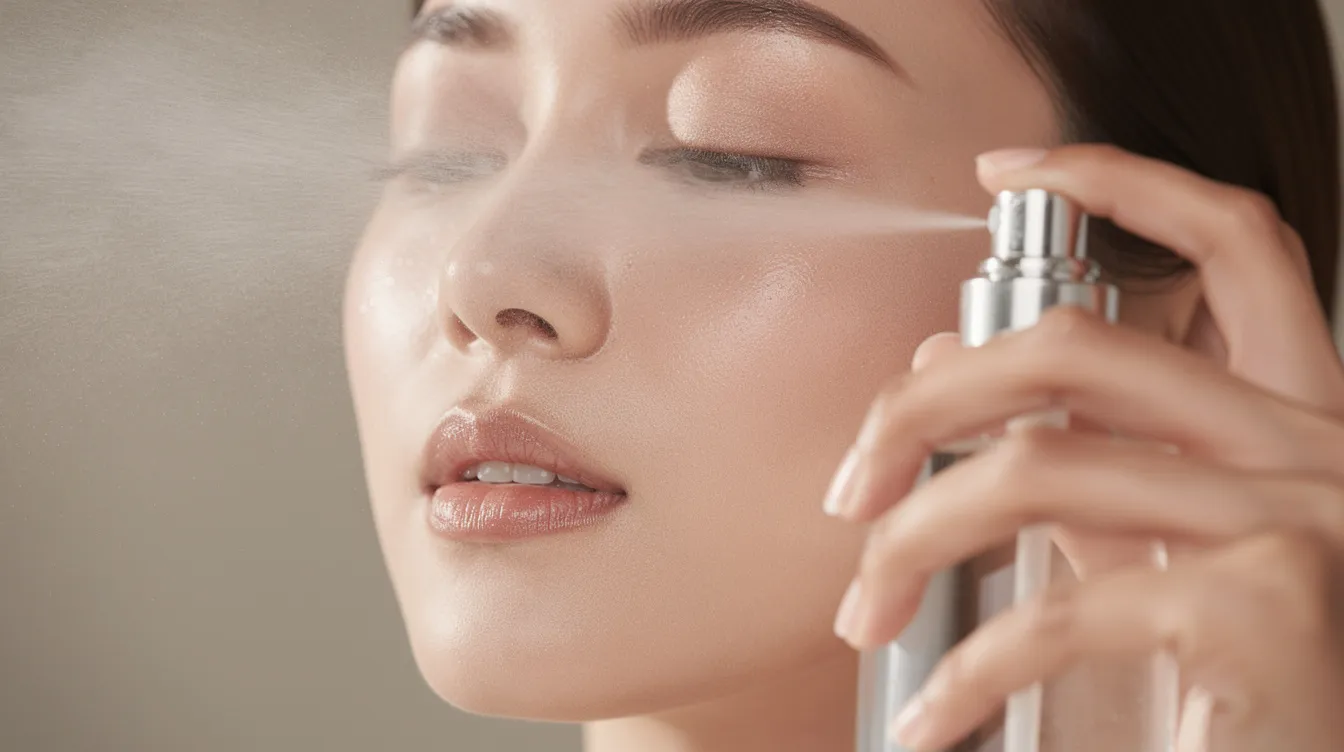
Benefits of Hypochlorous Acid for Damaged or Sensitive Skin
If you're dealing with retinol burn, post-peel irritation, or chronic redness, HOCl addresses exactly these situations.
Redness and Irritation Relief
Regular application (2–3 times daily) of Prejuv Reset Spray can visibly reduce flushing and stinging within several days — particularly effective after over-exfoliation or stacking too many actives.
Support for Compromised Barriers
When the stratum corneum loses its ability to seal moisture, HOCl keeps irritated skin cleaner and calmer while ceramides and fatty acids rebuild the barrier structure.
Acne and Maskne Relief
HOCl reduces acne-causing bacteria and surface inflammation without the dryness and peeling typically caused by benzoyl peroxide or strong acids. For maskne zones like chest and back, it's particularly suitable.
Post-Procedure Care
Many dermatology offices use HOCl mists after microneedling, chemical peels, or laser treatments. It minimizes infection risk while providing soothing relief to post-treatment redness.
Rosacea and Dermatitis Compatibility
The non-stinging profile makes HOCl often well-tolerated by highly reactive skin types. However, if you have a diagnosed skin condition, consult your dermatologist before adding new products.
HOCl vs. Bleach, Alcohol, and Harsh Antiseptics
Skincare HOCl maintains a mildly acidic pH (4–6.5), while bleach is highly alkaline (pH 11–13). Cosmetic HOCl uses 50–200 ppm versus bleach's 50,000–100,000 ppm — no discoloration of fabrics or hair, no burning sensation.
Alcohol strips lipids from the skin's moisture barrier, causing dryness and damage with repeated use. HOCl is non-drying and doesn't sting on broken skin, making it far more suitable for facial use and barrier recovery. BPO and AHAs/BHAs work through exfoliation and oxidation, often causing peeling and barrier disruption. HOCl can be used multiple times daily without these side effects.
| Attribute | HOCl | Alcohol | Benzoyl Peroxide |
|---|---|---|---|
| Dryness | None | High | Moderate-High |
| Sting on broken skin | None | Severe | Moderate |
| Barrier impact | Supportive | Damaging | Disruptive |
| Daily use frequency | 2–3x safe | Limited | 1x typically |
How Prejuv Uses Hypochlorous Acid in Barrier-Recovery Routines
At Prejuv, we focus on barrier repair and soothing highly reactive skin. Prejuv Reset Spray — a 3-ingredient, 100 ppm HOCl formula — serves as a core "first responder" tool in recovery routines, especially given the surge in retinol burn cases since TikTok-driven active overuse became widespread around 2020–2021.
Formulated at skin-friendly pH (4–6.5), it is fragrance-free, alcohol-free, and essential oil-free — suitable for daily and post-procedure use on face and body. In a Prejuv routine, HOCl acts as the immediate calming step after washing. Apply it to clean, damp skin, then follow with ceramide creams and panthenol serums to rebuild barrier structure. This sequence — calm first, repair second — reflects how your body's own immune response works.
When and How to Use HOCl in Your Daily Skincare Routine
HOCl is remarkably flexible. Use it morning, night, or throughout the day as a contactless soothing step.
Morning Routine
- Gentle cleanser (cool or lukewarm water — never hot)
- Prejuv Reset Spray on clean, slightly damp skin
- Hydrating serum (hyaluronic acid works well here)
- Ceramide moisturizer
- Broad-spectrum SPF 30+ sunscreen
Evening Routine
- Gentle cleanser
- Prejuv Reset Spray
- Barrier-repair products (ceramide cream, panthenol serum)
- Skip active treatment serums if experiencing irritation
Application Technique
- Hold bottle 6–8 inches from face
- Close eyes and mouth
- Mist evenly across the surface
- Allow to air-dry for 30–60 seconds or gently pat in
- No rinse needed
Frequency Guidelines
- Acutely irritated or post-procedure skin: 2–3 times daily
- Maintenance for reactive skin types: 1–2 times daily
Hot Water and Skin Care: What Sensitive Skin Needs to Know
Hot water might feel soothing in the moment, but it can be one of the most damaging elements in your skincare routine — especially if you have sensitive skin or a compromised barrier. When you expose your skin to hot water, the stratum corneum becomes disrupted, stripping away essential lipids and leaving skin vulnerable to dryness, irritation, and inflammation.
For sensitive skin types, hot water can worsen skin irritation, trigger flare-ups, and make inflammatory skin conditions like acne and eczema harder to manage. It also increases transepidermal water loss, meaning skin loses moisture faster. Always opt for cool or lukewarm water when washing your face or body. Choose fragrance-free, gentle cleansers that help seal moisture in, and follow with a moisturizer rich in ceramides and fatty acids to repair and reinforce the skin's moisture barrier.
Combining HOCl With Ceramides, Panthenol, and Other Barrier-Repair Ingredients
Think of HOCl as the calming, protective base layer. Ceramides and panthenol are the structural rebuilders. Together, they heal damage more effectively than either alone.
HOCl + Ceramide Creams
While HOCl keeps the surface environment cleaner and less inflamed, ceramides replenish the "mortar" between skin cells. Your barrier depends on this lipid matrix of ceramides, cholesterol, and fatty acids to maintain hydration and protect against environmental threats.
HOCl + Panthenol (Vitamin B5)
Panthenol attracts and holds moisture, improves elasticity, and provides soothing benefits when layered after an HOCl mist. This combination addresses both immediate discomfort and longer-term skin texture improvement.
HOCl + Niacinamide
Low-dose niacinamide (2–5%) can complement HOCl by supporting barrier function and evening skin tone. However, avoid over-layering too many actives on a damaged barrier.
During acute barrier damage, strip your routine back to HOCl mist + bland moisturizer + sunscreen. Nothing else until symptoms improve.
Using HOCl for Retinol Burn, Over-Exfoliation, and Compromised Skin
You started 0.1% tretinoin every night, or you stacked retinol with AHA/BHA and physical scrubs in the same week. Now your skin is red, burning, and reactive to everything. Here's the protocol.
Immediate Protocol
- Stop all exfoliants and retinoids completely
- Switch to a very gentle cleanser (no soap-based formulas)
- Use Prejuv Reset Spray 2–3 times daily
- Apply a rich ceramide moisturizer
- Maintain this for at least 7–14 days minimum
Day-by-Day Expectations
- Days 1–3: Stinging and intense redness often begin easing
- Week 1–2: Burning sensation decreases significantly
- Weeks 2–6: Flaking and skin texture normalize
- Weeks 4–12: Full resilience returns (aligned with epidermal turnover cycle)
| Time | Steps |
|---|---|
| AM | Gentle cleanser → HOCl mist → Ceramide moisturizer → SPF |
| PM | Gentle cleanser → HOCl mist → Panthenol serum → Occlusive if needed |
Reintroduce actives slowly — once weekly at most — only after your barrier feels normal again.
Skin Cells and Hyaluronic Acid: The Science of Hydration and Repair
Your skin's moisture barrier is a sophisticated structure made up of skin cells and a matrix of lipids, including essential fatty acids. When the barrier is intact, it keeps skin smooth, resilient, and less prone to irritation. When it's damaged — whether from harsh chemicals, over-cleansing, or environmental factors — moisture escapes and the skin becomes dry, inflamed, and vulnerable.
Hyaluronic acid is a powerhouse ingredient for hydration and repair. Naturally present in the skin, it acts as a humectant, drawing moisture from the environment and binding it to skin cells. When paired with ceramides, glycerin, and fatty acids, hyaluronic acid helps seal moisture in, reduce inflammation, and encourage the growth of healthy new cells.
Safety, Side Effects, and Who Should Use HOCl
Clinical experience confirms that stabilized HOCl is well-tolerated even on compromised and pediatric skin when formulated correctly (50–200 ppm at mildly acidic pH).
Typical Tolerability Profile
- Non-stinging and non-drying
- Suitable for sensitive, acne-prone, rosacea-prone, and eczema-prone skin types
- Very low risk of irritation or allergy
- Non-toxic at cosmetic concentrations
- Non-flammable (unlike alcohol-based products)
Rare reactions: While uncommon, any new skincare product can cause sensitivity. Patch test on inner arm once daily for 2–3 days before full facial application.
Around eyes and lips: HOCl facial mists can usually be applied around the periocular area. Keep eyes closed during application and don't spray directly into eyes.
When to see a professional: Persistent oozing, crusting, suspected infection, or uncontrolled eczema/psoriasis flares require evaluation by a dermatologist. HOCl supports recovery — it doesn't replace medical care.
How HOCl Products Are Made and Stored
HOCl is inherently unstable. This reality drives careful formulation processes to maintain effectiveness. HOCl is generated through electrolysis of a saline solution. Precise control of voltage, current, and pH favors HOCl formation over other chlorine species.
Stabilization Strategies
- pH buffering (keeping products below pH 7)
- Opaque packaging that limits air and light exposure
- Avoiding reactive contaminants
- Batch testing for concentration and microbiological safety
Storage Tips
- Keep at room temperature, away from direct sunlight and heat sources
- Keep securely capped
- Use before printed expiration date
How Long Does It Take to See Results With HOCl?
While HOCl can calm skin quickly, full barrier recovery requires time and consistency.
- Immediate effects (minutes to days): Many users notice less burning and visible redness within a few uses.
- Short-term results (1–2 weeks): Decreased flare frequency, fewer angry breakouts, and improved comfort.
- Longer-term improvements (4–12 weeks): Skin texture and resilience improvements track with barrier repair over 1–3 months.
HOCl isn't an instant "glass skin" product. It supports calm, steady healing — particularly when you stop the habits that damaged your barrier in the first place.
Frequently Asked Questions About Hypochlorous Acid
Can I use hypochlorous acid every day if I have extremely sensitive skin?
Most people with extremely sensitive or reactive skin can use HOCl 1–3 times daily because it's non-stripping and non-exfoliating. However, if you're prone to reactions with any new product, start with once daily for 2–3 days to confirm tolerance before increasing frequency.
Is hypochlorous acid safe to use during pregnancy or while breastfeeding?
HOCl acts topically and doesn't function like systemic medication — it works on the skin surface rather than entering your bloodstream in significant amounts. That said, discuss any new skincare routine additions with your obstetrician or dermatologist.
Is hypochlorous acid good for demodex mites?
Emerging evidence suggests HOCl's antimicrobial properties may help reduce demodex mite populations by creating a hostile environment on the skin surface. However, further dermatological studies are needed to confirm its efficacy specifically for demodex-related skin conditions.
Do dermatologists recommend hypochlorous acid?
Many dermatologists recommend hypochlorous acid as a safe, gentle disinfectant and soothing agent for sensitive, acne-prone, and inflamed skin. It is widely used in clinical settings for wound care and post-procedure skin support.
Can I travel with HOCl spray, and does flying affect it?
HOCl sprays in travel-size bottles (under 100ml/3.4oz) are suitable for carry-on luggage. Keep the bottle tightly closed and away from heat. Cabin pressure and temperature changes shouldn't significantly impact properly stabilized formulas within their expiration date.
Will hypochlorous acid lighten or fade my hair, brows, or clothing?
Skincare-strength HOCl (50–200 ppm at mildly acidic pH) does not act like bleach and should not lighten hair or fabrics when used as directed. If you notice any changes, stop use immediately and contact the brand for batch review.
Can hypochlorous acid replace my cleanser or moisturizer?
No. HOCl is a complementary step in your skincare routine. It doesn't remove sunscreen, heavy makeup, or sebum like a cleanser does, and it doesn't provide occlusion or lipid replenishment like a moisturizer. Use HOCl alongside a gentle cleanser, barrier-repair cream, and daily sunscreen for a complete approach.