

How to Know If You Have Sensitive Skin and What to Do Next
Quick answer: how to know if you have sensitive skin
You likely have sensitive skin if you repeatedly notice stinging, burning, redness, itching, or tightness after cleansing, applying skincare products, shaving, sweating, or sun exposure. Sensitive skin is a pattern over time, not just one bad reaction to one product.
Common signs include:
-
Burning or stinging from basic skin care products
-
Persistent redness, flushing, dry or flaky patches, or sudden rashes
-
Skin bumps, rashes, or swelling after beauty products, cosmetics, makeup, sunscreen, or personal care products
-
Tightness or dryness after washing
-
Products that “used to be fine” but now cause irritation
-
Reactions to scented products, fragrances in soaps, wool, or other clothing fabrics
Sensitive skin is different from dry skin alone, which mainly lacks moisture, and different from an isolated allergy, which may cause a defined rash, hives, or swelling. A healthcare provider or dermatologist can confirm the root cause, especially when symptoms overlap with an underlying condition.
Key takeaways
Here are the main points before we go step by step:
-
Sensitive skin is usually reactive skin with a more fragile skin barrier, so everyday triggers like weather, shaving, sweat, certain fabrics, and skincare products can cause discomfort.
-
Dermatologists group sensitive skin signs into sensations and visible changes. Sensory signs include tightness, itchiness, and stinging; visible reactions include redness, flushing, and dry patches.
-
Sensitive skin types can be dry, oily, combination, acne-prone, or normal skin, and skin sensitivity can affect any skin tone.
-
Common triggers include fragrance, harsh soaps, astringents, glycolic acid, alcohol-heavy formulas, hot showers, over-exfoliation, cold weather, and intense sun exposure.
-
Use gentle, fragrance-free products for sensitive skin, perform a patch test before using new skincare products, and apply sunscreen formulated for sensitive skin daily.
-
Consult a dermatologist for personalized skincare advice; consulting a board-certified dermatologist is recommended for severe symptoms.
What “sensitive skin” actually means
Sensitive skin means skin that reacts more intensely than average to normal exposures, causing physical symptoms or visible changes. Research defines it as unpleasant sensations, such as burning, stinging, pain, tingling, or pruritus, from stimuli that should not usually provoke them.
It is not a single formal diagnosis. Symptoms of sensitive skin can overlap with underlying conditions such as eczema, atopic dermatitis, rosacea, acne, seborrheic dermatitis, contact dermatitis, or other skin conditions. Skin testing can be critical for diagnosis of conditions like eczema or rosacea.
Sensitivity can be temporary after sunburn, retinoids, a peel, or laser treatment, or chronic because of genetic differences, a thinner stratum corneum, or long-term barrier vulnerability. This article focuses on facial skin, but the same ideas can apply to the body, scalp, neck, and underarms.
Do you have sensitive skin? A step-by-step self-check
Determining sensitive skin relies on personal observations and evaluations. Ask: do you regularly feel stinging, burning, itching, or tightness after cleansing, moisturizing, shaving, sunscreen, or makeup?
Look for visible changes: diffuse redness around the cheeks, nose, chin, or mouth; dry patches; flushing; mild swelling; or tiny bumps. Sensitive skin may react to products with rashes or swelling, and common symptoms include stinging, burning, and irritation.
Next, review triggers. Scented products often trigger sensitive skin reactions. Harsh chemicals can cause skin sensitivities. Fragrances in soaps can exacerbate sensitive skin. Certain fabrics like wool can irritate sensitive skin.
Timing matters: reactions often appear within minutes to hours after contact, hot or cold weather, cold wind, hot showers, or intense sun exposure. Environmental reactivity triggers irritation from cold wind or intense sun exposure. If several boxes fit repeatedly, you likely have sensitive or reactive skin.
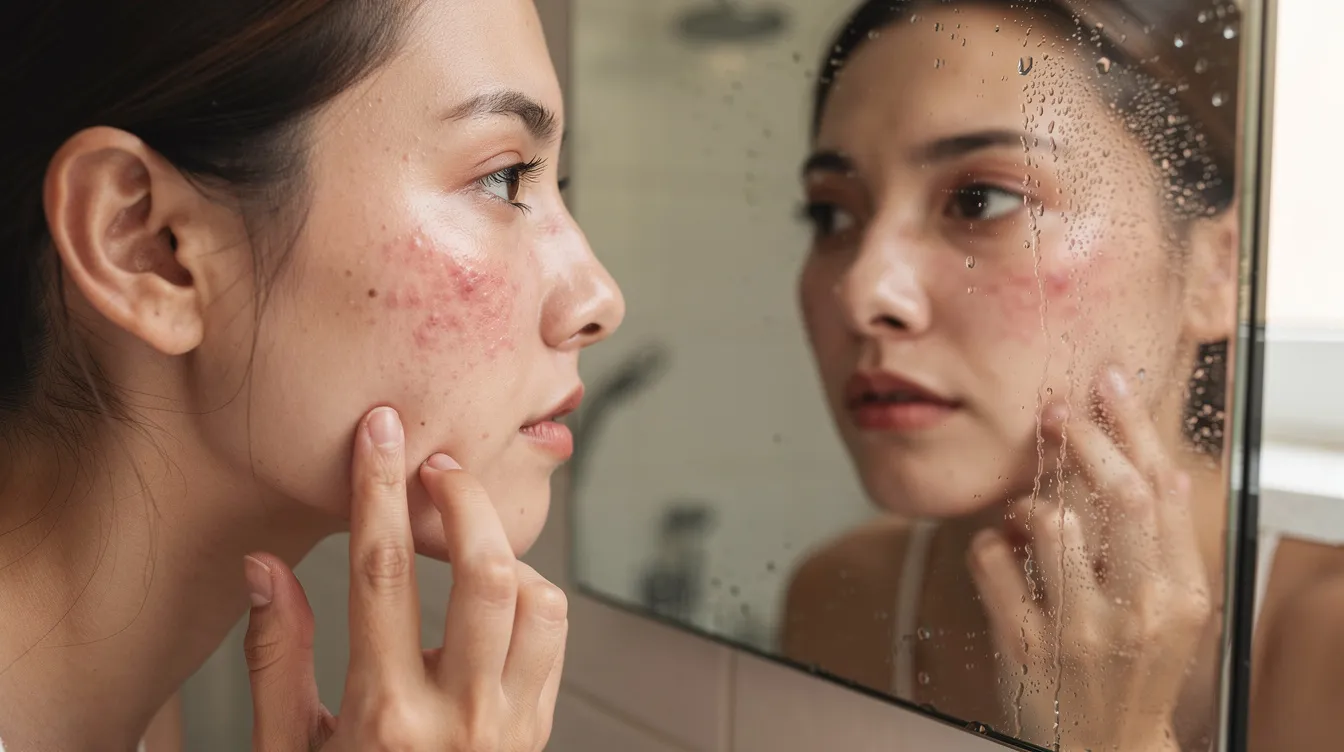
Common signs and symptoms of sensitive skin
Not everyone has every symptom. Patterns matter more than a single event.
-
Sensations: burning, stinging, tingling, itching, tightness, and irritation after cleansers, moisturizer, sunscreen, or makeup.
-
Visible symptoms: redness, flushing, dry skin patches, fine flaking, rough texture, skin bumps, sudden rashes, or swelling.
-
Delayed irritation: skin may feel normal at first, then tight or irritated later in the day.
-
“Everything irritates my face”: even water, harsh soaps, or simple products may sting when the skin's protective barrier is compromised.
-
Allergy clue: intense swelling, hives, blistering, or a sharply defined rash after one exposure may suggest allergic contact dermatitis.
Keep a 1–2 week diary noting products, weather, stress, sleep, and symptoms.
Why skin becomes sensitive: barrier damage and beyond
Sensitive skin usually reflects an over-responsive outer layer, skin barrier, and immune system-not “weak” skin.
When the stratum corneum loses lipids and moisture, potential irritants, allergens, and microbes can reach deeper layers more easily. Sensitive skin may result from a thinner stratum corneum, while genetic differences can cause naturally sensitive skin.
Internal contributors include age, hormones, eczema, rosacea, and atopic dermatitis. External factors include harsh soaps, over-cleansing, pollution, extreme temperatures, sun exposure, and over-exfoliation. Skin inflammation can occur from exposure to irritants.
Active ingredients such as retinoids, vitamin C acids, and glycolic acid can cause temporary reactivity or retinol barrier damage. Procedures may also trigger short-term sensitivity; see guides on chemical peel redness, post-microneedling redness, and laser aftercare.
Common triggers that can make sensitive skin flare
Identifying your personal common triggers is central to manage sensitive skin and reduce flare ups.
-
Skin care products: fragrances, essential oils, drying alcohols, harsh preservatives, aggressive foaming agents, and high-strength acids.
-
Environment: cold weather, dry wind, rapid temperature changes, pollution, and unprotected sun.
-
Lifestyle: sweat left on skin, masks, headbands, swimming, and workouts; sweat and friction can worsen breakouts and irritation, as explained in sweat and bacteria effects.
-
Mechanical stress: rough towels, scrubs, frequent shaving, and poor lubrication.
-
Laundry detergents and clothing fabrics: fragranced formulas, wool, and some synthetics can irritate the neck, chest, or body.
Change one variable at a time, such as removing fragrance first, then reducing exfoliation.
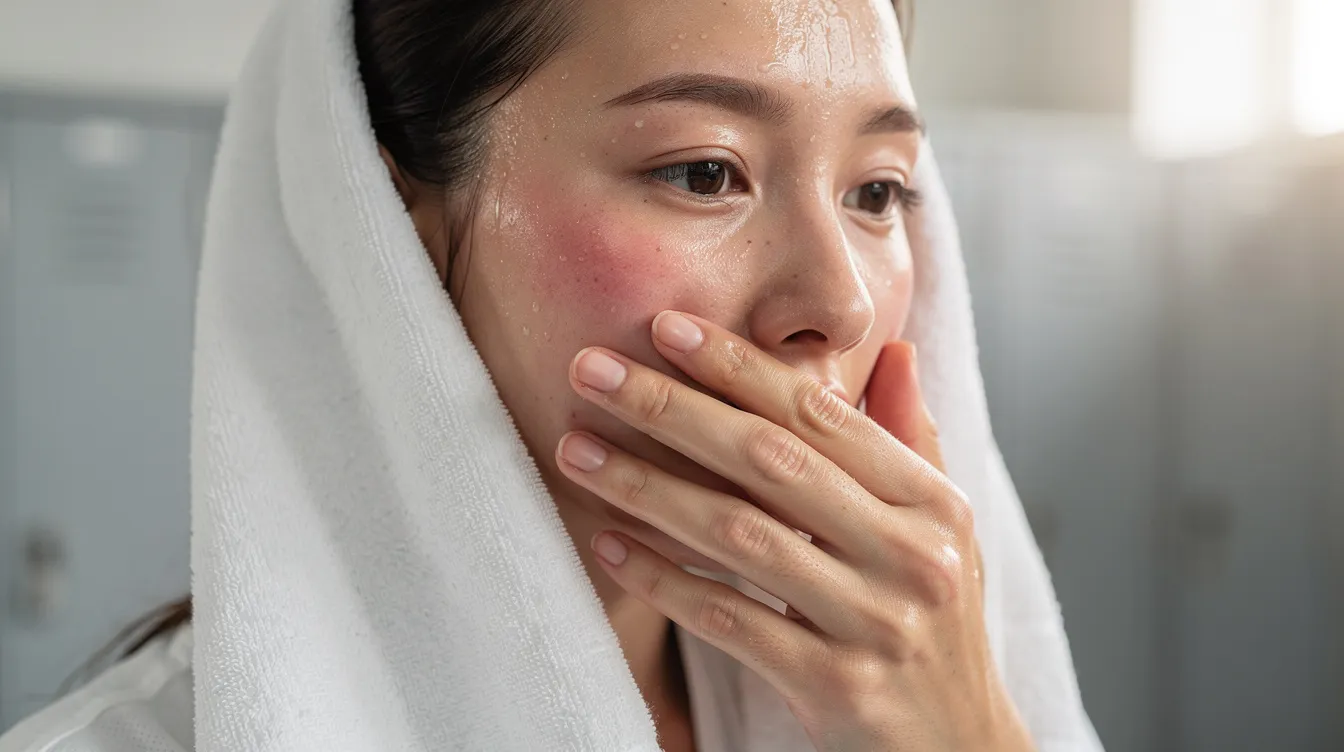
Different sensitive skin types (it’s not just “dry”)
Sensitive skin can sit on top of all skin types.
-
Dry sensitive skin: tight, flaky, rough, and easily irritated by foaming cleansers or alcohol toners.
-
Oily or acne-prone sensitive skin: shiny or breakout-prone, but stings with acne treatments; use non-comedogenic, fragrance free hydration.
-
Combination sensitive skin: oily T-zone with dry, red cheeks or mouth-area irritation.
-
Suddenly sensitive skin: may follow medication, pregnancy, perimenopause, retinoids, or a new skincare routine.
How you treat sensitive skin should vary based on baseline oiliness, dryness, acne tendency, and trigger pattern.
How to gently test whether your skin is sensitive
At-home testing is not medical allergy testing, but it can help.
Apply a pea-sized amount of a new product behind the ear or on the side of the neck once daily for 3 days. Watch for stinging, redness, bumps, rash, or swelling. Avoid testing multiple new products at once; introduce one new product every 7–10 days.
The Use Test evaluates reactions to suspected irritating products. Patch testing identifies allergic contact dermatitis using common allergens, and specialized tests include allergy patch testing and skin prick testing. Stop immediately if burning, intense itching, hives, or swelling appears.
Managing and caring for sensitive skin day-to-day
A consistent daily routine usually helps more than frequent product changes.
-
Cleanse with soap free cleansers, warm water, and gentle fragrance free formulas; avoid hot water and aggressive scrubbing.
-
Hydrate with hyaluronic acid or glycerin, then seal moisture with a barrier-supportive moisturizer.
-
Use hypochlorous acid when appropriate. Prejuv Reset Spray - a 3-ingredient, 100 ppm HOCl formula is fragrance-free and can fit after cleansing, before moisturizer, after workouts, or post-shaving. Learn more about hypochlorous acid.
-
Use sun protection daily. Choose mineral sunscreen with zinc oxide or titanium dioxide, labeled for sensitive skin.
-
Pause strong exfoliants and retinoids during flares, then restart slowly when skin is calm; see retinol irritation rescue.
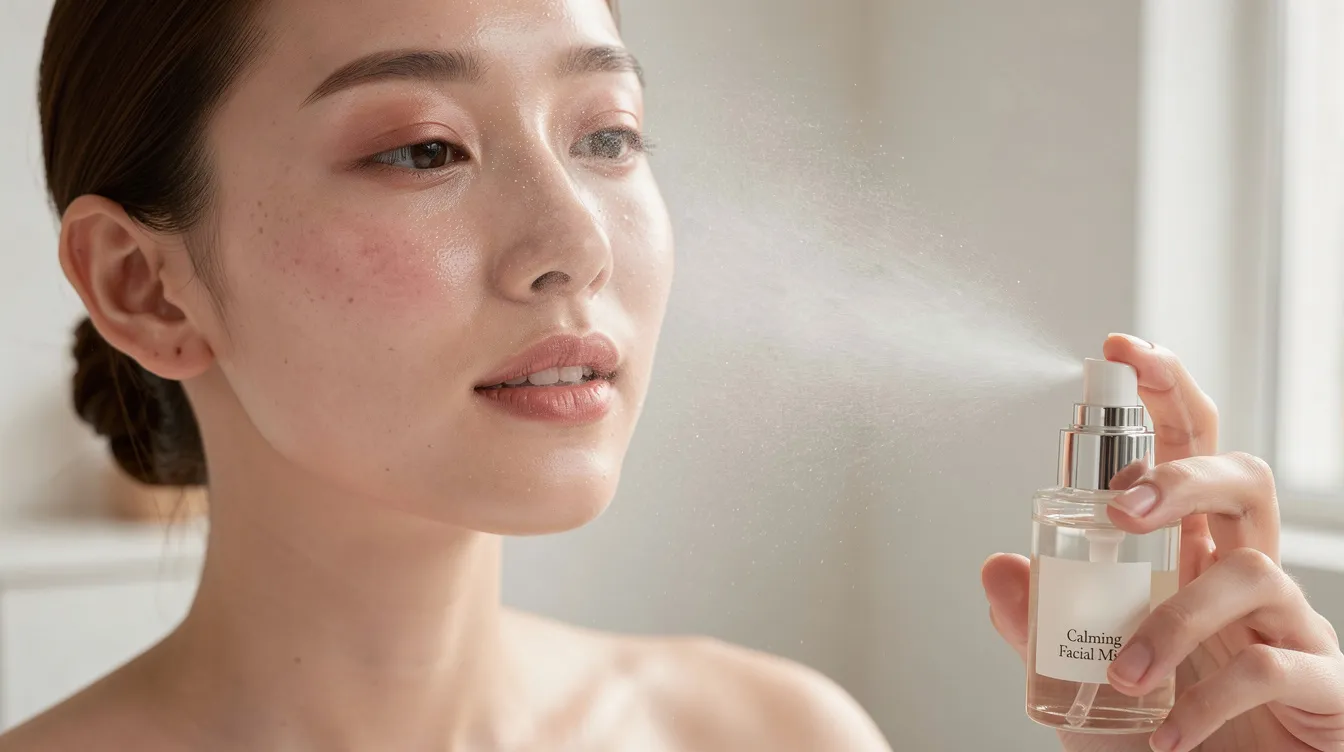
Can sensitive skin be treated - and will it ever go away?
How is sensitive skin treated? Usually by reducing triggers, repairing the barrier, identifying allergies, and addressing skin conditions that require treatment.
Many people improve within 4–8 weeks of consistent gentle care. Some need prescription creams, topical anti-inflammatories, or prescription moisturizers from a dermatologist. The goal is not always a permanent “cure,” but stable skin that flares less often and recovers faster.
So, can sensitive skin become less sensitive? Often, yes-with steady barrier care and fewer potential irritants.
When to see a healthcare provider or dermatologist
Get professional help if symptoms are severe, spreading, painful, or not improving after 4–6 weeks of gentle care. Seek urgent care for breathing difficulty, dizziness, throat tightness, or fast swelling of lips or face.
A dermatologist can separate sensitive skin from contact dermatitis, rosacea, eczema, psoriasis, acne irritation, and similar symptoms. This matters because the right plan depends on the diagnosis.
How Prejuv thinks about sensitive skin and barrier repair
Prejuv is a derma-clinical brand focused on barrier repair and sensitive skin. The approach is simple: fewer unnecessary ingredients, fragrance free formulas, and support for irritated skin without overcomplicating routines.
Prejuv Reset Spray is designed around hypochlorous acid, a molecule naturally produced by immune cells. It can be used after cleansing, before moisturizer, post-workout, or post-shaving as part of a minimal routine. For more routine help, see sensitive skin routine.
FAQ: common questions about sensitive skin
Can sensitive skin become less sensitive over time?
Yes. With trigger avoidance, barrier repair, and medical care when needed, people with sensitive skin often notice fewer and milder reactions.
Is my skin sensitive or just dry?
Dry skin mainly lacks moisture and may feel rough or flaky. Sensitive skin is defined by reactivity, discomfort, and skin reactions. Both can coexist.
Can sensitive skin use retinol or strong actives?
Sometimes. Start with low strength, low frequency, and only after the barrier is calm. Stop if irritation builds.
Are fragrance free products always better for sensitive skin?
Usually, because fragrance is a common trigger. But fragrance free does not automatically mean non-irritating; the whole formula matters.
Can diet or stress make my sensitive skin worse?
Stress, poor sleep, alcohol, spicy foods, or certain foods may worsen inflammatory flares in some people. Track patterns and discuss frequent flares with a healthcare provider.
How common is sensitive skin?
Very common. A review found many adults self-report sensitivity, and 60% to 70% of women report having sensitive skin; put simply, 60% to 70% of women report sensitive skin.