

Retinol Burn: What to Do Immediately and How to Calm Irritated Skin
⚡ Quick Answer
Retinol burn is usually not a true thermal burn. It is often retinol irritation or retinoid dermatitis, which can look like red, stingy, tight, dry, or peeling skin after using retinol. Stop retinol, exfoliants, scrubs, acids, and strong actives; use cool water, a gentle cleanser, fragrance-free moisturizer, and sunscreen while your skin calms down.
Retinol can be frustrating when the goal is smoother-looking skin, but the result is redness, stinging, peeling, or a burning sensation. This reaction is commonly called retinol burn, though it is usually a form of irritation rather than a literal burn. It often happens when retinol products are introduced too quickly, used too often, layered with other strong actives, or applied to already sensitive skin.
If your skin feels hot, tight, or raw after retinol, the first step is to simplify. Pause retinol and focus on a short, gentle routine until the skin feels comfortable again. Prejuv Reset Spray — a 3-ingredient, 100 ppm HOCl formula can fit as a gentle, fragrance-free mist before moisturizer for skin that looks irritated or feels reactive.
Key Takeaways
- Retinol burn is irritation, not a literal burn. It usually refers to retinol irritation or retinoid dermatitis.
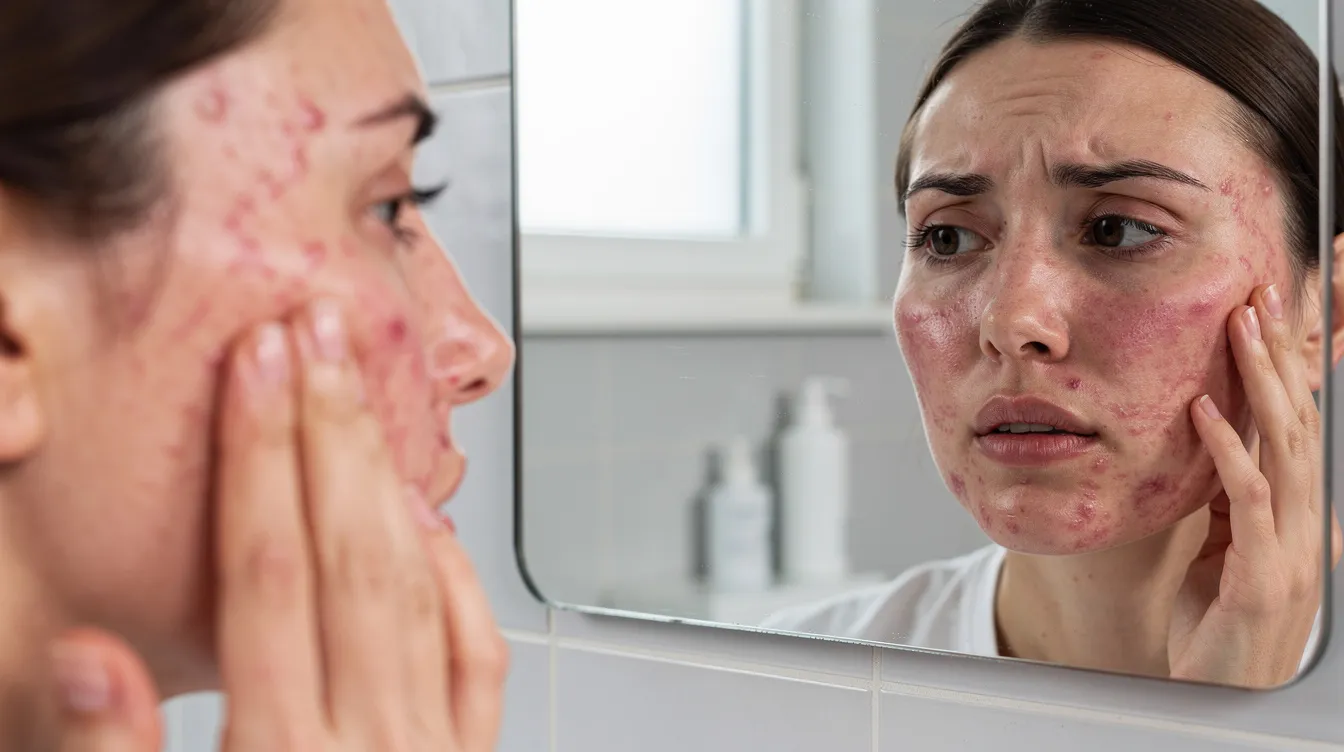
- Common signs include redness, stinging, peeling, tightness, dryness, and sensitivity. In deeper skin tones, irritation may look gray-brown, ashy, or uneven rather than bright red.
- The first step is to pause strong actives. Stop retinol, exfoliating acids, scrubs, peels, benzoyl peroxide, and fragranced products until the skin feels calmer.
- Recovery is about barrier support. Use gentle cleansing, moisturizer, sunscreen, and simple calming steps.
- Restart retinol slowly. Use a lower frequency, a pea-sized amount, dry skin, and moisturizer buffering if your skin is sensitive.
- Seek professional care if symptoms are severe. Blisters, oozing, swelling, intense pain, eye-area irritation, or worsening symptoms need medical guidance.
What Does a Retinol Burn Look and Feel Like?
Retinol is a vitamin A derivative used to improve the look of skin texture, pores, breakouts, and uneven tone over time. However, retinol can also trigger dryness, peeling, redness, and stinging, especially during the adjustment period. When irritation becomes uncomfortable or painful, it is a sign to pause rather than push through.
- Retinol irritation may appear within hours or the next day after use.
- Common symptoms include redness, dryness, peeling, tightness, flaking, tingling, and stinging.
- Some people describe the skin as hot, raw, or unusually sensitive to water and moisturizer.
- The eye, nose, and mouth areas may react more easily because the skin is thinner or more delicate.
- In deeper skin tones, irritation may look ashy, gray-brown, purple-brown, or hyperpigmented rather than bright red.
- Blisters, open skin, intense swelling, oozing, or spreading rash should be reviewed by a professional.
Why Retinol Burn Happens
Retinol can be effective, but it can also overwhelm the skin when introduced too quickly. The skin barrier depends on surface lipids, hydration, and a steady balance of renewal. When retinol use becomes too frequent or too strong for your skin, the barrier may feel stressed and more reactive.
This adjustment period is often called retinization. Mild dryness can happen as skin adapts, but painful burning, persistent stinging, or raw-feeling skin is not something to ignore. For more context, read retinol barrier damage and why retinol causes redness.
Common Triggers
- Using retinol every night from the beginning.
- Applying retinol to damp skin.
- Using too much product instead of a pea-sized amount.
- Layering retinol with AHAs, BHAs, scrubs, peels, or strong vitamin C.
- Using retinol after shaving, waxing, or exfoliating.
- Combining too many new skincare products at once.
- Using retinol when the skin is already dry, over-exfoliated, or irritated.
Hypochlorous acid, the active in Prejuv Reset Spray, is used in skincare as a low-concentration HOCl mist for skin that feels irritated or reactive. It does not replace moisturizer, but it can fit into a simple routine focused on visible comfort and surface hygiene.
How to Calm Retinol Burn at Home
Mild to moderate retinol irritation often improves when strong actives are paused and the routine becomes simpler. The goal is to reduce friction, support the skin barrier, and avoid anything that keeps the skin feeling hot or stingy.
Step-by-Step Routine
- Stop retinol temporarily. Pause retinol until the skin no longer feels hot, raw, or stingy.
- Pause exfoliants and strong actives. Avoid scrubs, peels, AHAs, BHAs, benzoyl peroxide, strong vitamin C, and fragranced products.
- Cleanse gently. Use a very gentle, non-foaming cleanser with lukewarm or cool water.
- Use a calming mist if tolerated. Apply Prejuv Reset Spray after cleansing and before moisturizer if your skin tolerates misting.
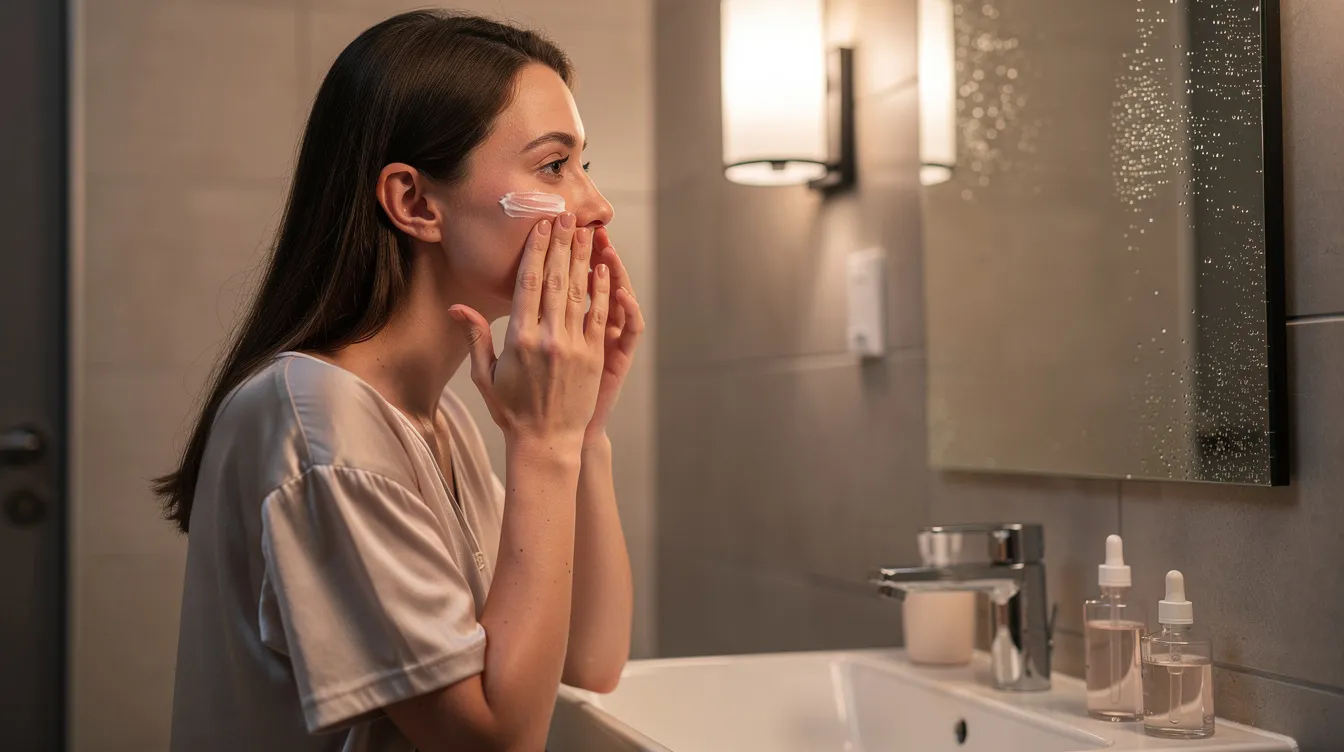
- Apply moisturizer. Choose a bland, fragrance-free moisturizer with barrier-supporting ingredients.
- Seal very dry areas at night. A thin layer of petrolatum on the driest patches can help reduce moisture loss.
- Use sunscreen daily. Retinol can make skin more sun-sensitive, and irritated skin needs extra protection from UV exposure.
"When skin is actively burning or peeling, the goal is not to exfoliate the flakes away. The goal is to simplify and support comfort."
What to Avoid During Retinol Irritation
- Hot water, saunas, steam rooms, and intense heat.
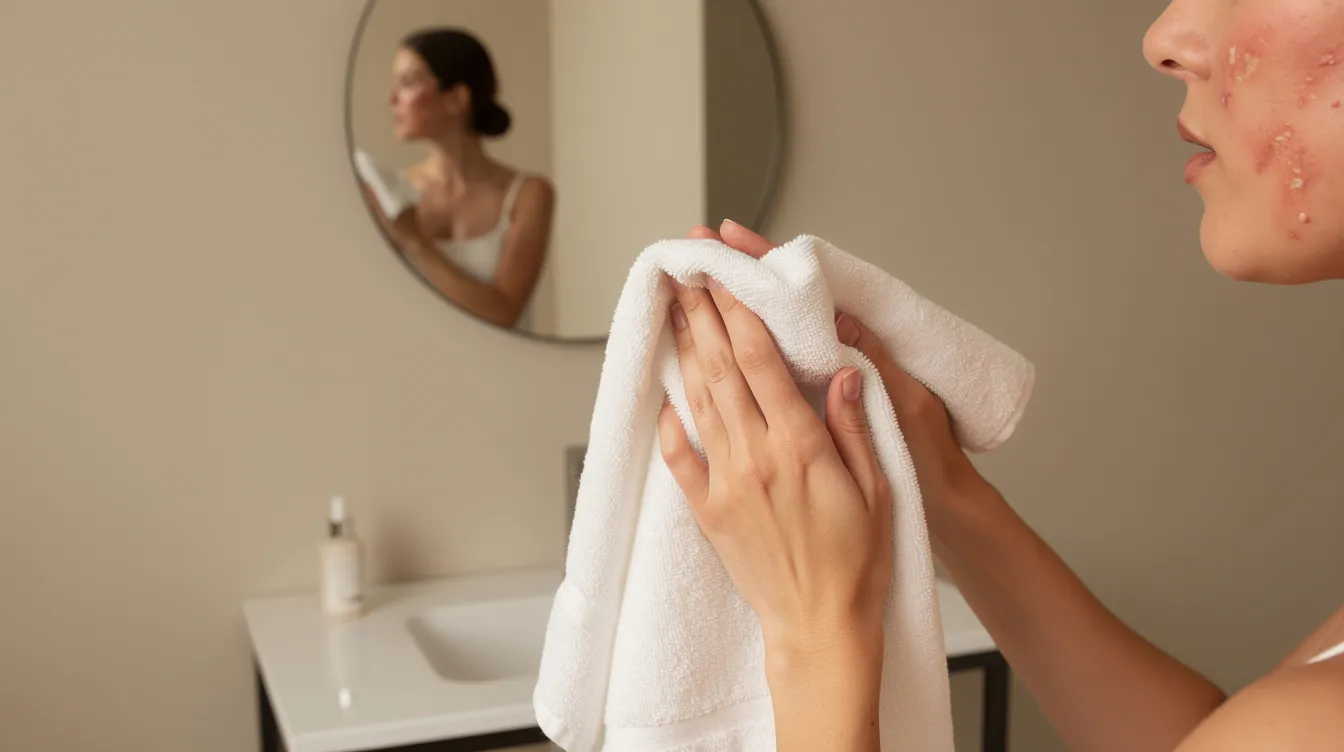
- Physical scrubs, cleansing brushes, and exfoliating towels.
- Peels, acids, retinoids, and other active treatments.
- Fragranced skincare or essential oils.
- Long-wear matte makeup if it stings or feels drying.
- Picking or peeling flakes manually.
If symptoms worsen after 48–72 hours, involve the eyes or lips, or include swelling, oozing, or severe pain, seek professional guidance.
How Long Does Retinol Burn Last?
How long retinol irritation lasts depends on skin type, severity, and how quickly irritating products are stopped. Mild redness, dryness, and flaking may improve within a few days. More noticeable irritation may take one to two weeks to settle, especially if the skin barrier was already stressed.
Signs of improvement include less heat, less stinging, less tightness, and reduced flaking. Pigment changes can linger longer in deeper skin tones. If there is no improvement after 10–14 days, or if new symptoms appear, contact a dermatologist or healthcare professional.
How to Prevent Retinol Burn When Restarting Retinol
Once your skin feels normal again, retinol can often be restarted more slowly. A low-and-slow approach is best for sensitive, dry, or reactive skin. Start with fewer nights per week and increase only when the skin feels stable.
Restarting Tips
- Use retinol once or twice a week at first.
- Apply only a pea-sized amount for the whole face.
- Apply retinol to fully dry skin, not damp skin.
- Use moisturizer before or after retinol if your skin is sensitive.
- Avoid using exfoliating acids on the same night.
- Use sunscreen every morning.
- Patch test if you are trying a new retinol product.
Buffering means applying moisturizer before or after retinol to make the routine feel gentler. This can be useful if your skin is prone to stinging or dryness. For more support, see our sensitive skin routine.
Retinol Burn vs. Purge vs. Allergy
Retinol burn, purging, and allergy can look similar at first, but they need different responses. Retinol irritation usually feels stingy, dry, tight, hot, or peeling. A purge usually looks like temporary breakout activity in areas where you already break out, without raw-feeling skin.
| Reaction | Common Signs | What to Do |
|---|---|---|
| Retinol irritation | Burning, stinging, redness, peeling, tightness, sensitivity | Pause retinol and simplify the routine |
| Retinol purge | Temporary breakout activity, usually in acne-prone areas | Reduce irritation and monitor; compare with symptoms |
| Allergic reaction | Intense itching, hives, swelling, spreading rash, oozing | Stop the product and seek professional evaluation |
If you are unsure whether your reaction is purging or irritation, read retinol purge vs irritation.
Building a Sensitive-Skin-Friendly Routine After Retinol Burn
After a painful reaction, patience matters. Keep the base routine minimal: gentle cleanser, calming HOCl step such as Prejuv Reset Spray, barrier-supporting moisturizer, and morning sunscreen. A minimal skincare routine for irritated skin can help.
Wait until your skin has no tightness, flaking, heat, or stinging for several days before reintroducing retinol or other actives. Add one active at a time, separated by several weeks if your skin is reactive, so you can better understand what your skin tolerates.
Frequently Asked Questions About Retinol Burn
Does retinol burn permanently damage skin?
Most mild retinol irritation improves when retinol and other strong actives are paused. Repeated irritation can make skin feel more reactive over time, so it is best to slow down and support the barrier rather than push through burning or peeling.
Can I use retinol again after a retinol burn?
Often, yes, but wait until the skin feels fully calm. Restart with a lower frequency, a pea-sized amount, dry skin, moisturizer support, and sunscreen. If the reaction was severe, ask a dermatologist before restarting.
What should I avoid when I have a retinol burn?
Avoid scrubs, peels, exfoliating acids, waxing, hot water, saunas, fragranced skincare, and other strong actives. These can keep irritated skin feeling hot, tight, or stingy.
Is hypochlorous acid safe to use on retinol-irritated skin?
Low-concentration hypochlorous acid sprays are often used in simple routines for skin that feels irritated or reactive. Prejuv Reset Spray is a fragrance-free 100 ppm HOCl formula. If your skin stings with any mist or liquid, pause and use only products your skin tolerates.
How can I tell if it is sunburn or retinol burn?
Sunburn usually follows UV exposure and appears on exposed areas. Retinol irritation usually follows retinol application and may appear where the product was applied. If you are unsure, or if symptoms are painful or worsening, seek professional guidance.
When should I see a dermatologist for retinol burn?
See a dermatologist or healthcare professional if you have blisters, oozing, swelling, severe pain, eye-area irritation, spreading rash, or symptoms that do not improve after one to two weeks of gentle care.