

Can I Use Hypochlorous Acid With Retinol? Routine & Safety Guide
Starting retinol can be frustrating when smoother-looking skin comes with redness, stinging, peeling, or breakout changes. If you have sensitive or acne-prone skin, you may be asking: can I use hypochlorous acid with retinol? Hypochlorous acid, often used as a hypochlorous acid spray or HOCl mist, is a gentle antimicrobial ingredient used to support skin that feels irritated or reactive. Retinol is a vitamin A derivative that can improve the look of skin texture over time, but it can also cause dryness and irritation when introduced too quickly.
This guide explains how hypochlorous acid and retinol can fit into the same skincare routine, what order to use them in, and when to pause retinol if your skin barrier feels overwhelmed.
⚡ Quick Answer
Yes, you can use hypochlorous acid with retinol when you let the HOCl spray dry completely before applying retinol. A simple order is cleanse, mist hypochlorous acid, wait until skin is fully dry, apply retinol, then finish with moisturizer. If your skin is already burning, peeling, or stinging, pause retinol and keep the routine minimal until your skin feels calm again.
Key Takeaways
- Hypochlorous acid is a low-concentration HOCl ingredient often used in facial mists and sprays to support skin that feels irritated or reactive.
- Retinol can improve the look of texture and uneven tone over time, but it may also cause dryness, redness, stinging, or peeling.
- Hypochlorous acid and retinol can be used in the same routine when HOCl is allowed to dry fully before retinol.
- A simple evening order is cleansing → hypochlorous acid mist → dry fully → retinol → moisturizer.
- Avoid stacking retinol with too many strong actives, such as exfoliating acids or strong vitamin C, when your skin feels sensitive.
- Prejuv Reset Spray — a 3-ingredient, 100 ppm HOCl formula is a minimalist, fragrance-free option for retinol-using sensitive skin.
What Is Hypochlorous Acid?
Hypochlorous acid, or HOCl, is a weak acid naturally produced by white blood cells as part of the body’s immune response. In skin care, hypochlorous acid is used at low concentrations to help reduce surface bacteria and support skin that feels irritated, reactive, or stressed.
Cosmetic hypochlorous acid products are very different from household disinfectants. Facial HOCl sprays are typically made for topical skin use and are often formulated around a skin-compatible pH. Because HOCl can be unstable when exposed to light, air, or heat, packaging and storage matter.
Retinol is a vitamin A derivative used in skincare to support smoother-looking texture, clearer-looking pores, and the appearance of more even tone over time. However, retinol can also cause dryness, flaking, redness, and stinging, especially when introduced too quickly or used alongside too many active ingredients.
"In skin care, hypochlorous acid can support skin comfort while retinol works gradually on texture and tone."
This pairing is especially relevant when skin reacts with redness, peeling, or retinol side effects.
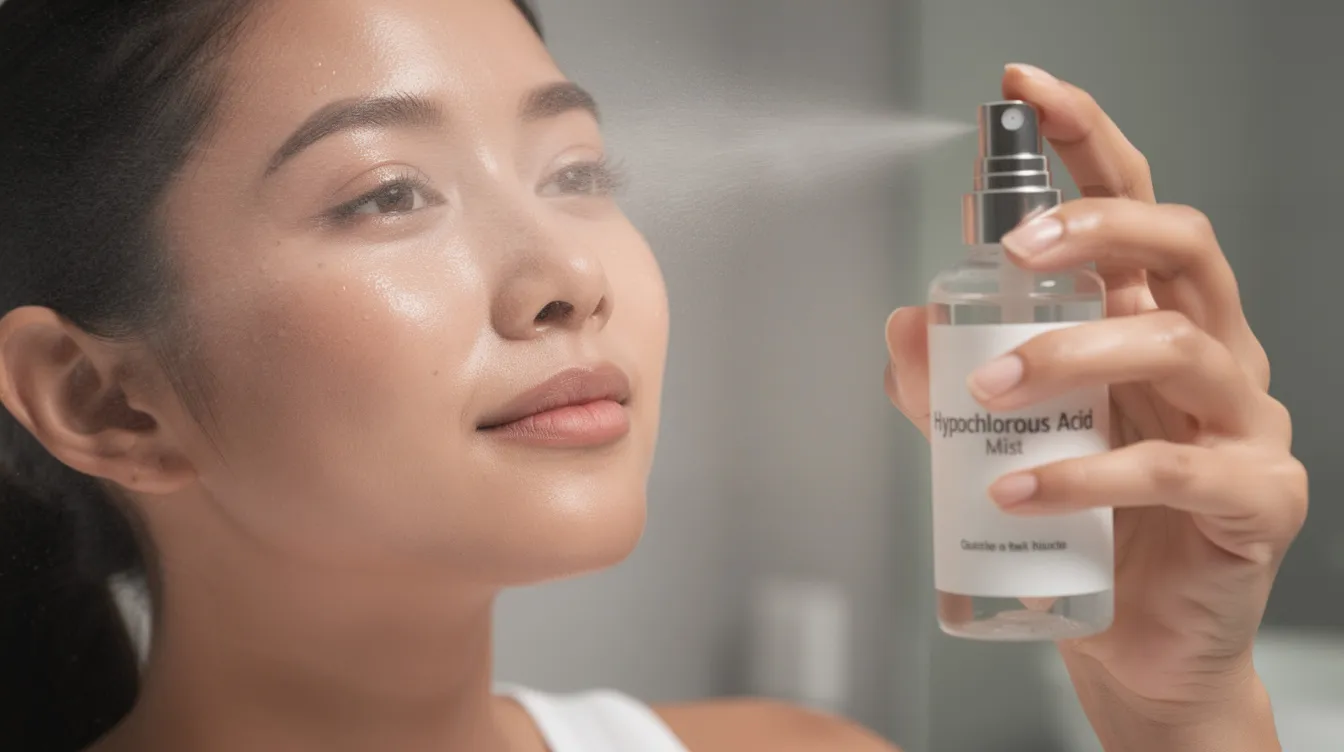
How Hypochlorous Acid Works on Skin
HOCl and retinol are both active skincare ingredients, but they work differently. Hypochlorous acid mainly supports surface hygiene and visible comfort, while retinol changes how the skin looks over time through gradual cell turnover support.
Antimicrobial Support
Hypochlorous acid can help reduce surface bacteria without the dryness associated with alcohol-heavy products. This can be useful for acne-prone skin, especially when retinol is already adding potential dryness or sensitivity to the routine.
Calming Visible Redness and Irritation
HOCl is often used when skin looks red, feels hot, or reacts after sweat, friction, or strong skincare products. For retinol users, this can make HOCl a helpful support step when skin feels temporarily more sensitive. If redness is a recurring issue, read more about why retinol causes redness.
Supporting a Stressed Skin Barrier
Hypochlorous acid does not replace moisturizer, ceramides, or occlusives. However, it can support a calmer skin environment by helping reduce surface bacteria and visible irritation. That makes it useful in simple routines for skin that feels overworked or reactive.
| Aspect | Hypochlorous Acid | Retinol |
|---|---|---|
| Main role | Surface bacteria and visible irritation support | Texture, tone, and cell turnover support |
| How fast it feels noticeable | Can feel soothing quickly for some skin | Usually takes weeks to months |
| Irritation risk | Generally low when used as directed | Dryness, redness, peeling, or stinging can occur |
| Best timing | Morning or evening | Evening |
| Common form | Mist or spray | Cream, serum, or gel |
Benefits of Hypochlorous Acid With Retinol for Skin
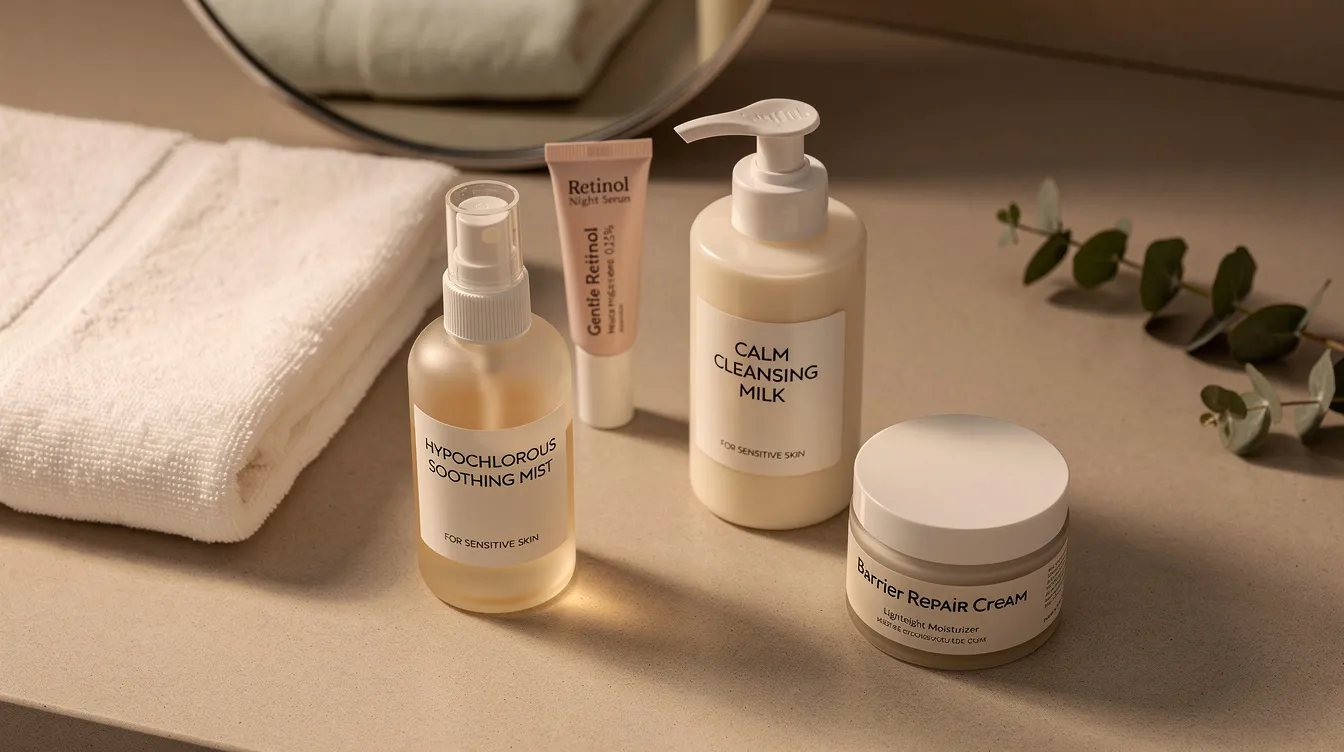
Helps Calm Retinol-Related Redness
A hypochlorous acid spray can be useful when skin feels hot, tight, or visibly red early in a retinol routine. It does not cancel the need for moisturizer, but it can add a low-effort calming step when your skin feels reactive.
Supports Acne-Prone Skin Without Added Dryness
HOCl can help reduce surface bacteria without acting like benzoyl peroxide or exfoliating acids. This can be helpful for acne-prone skin when retinol is already doing the heavier work in the routine.
Fits Sensitive and Reactive Skin Routines
At appropriate cosmetic concentrations, HOCl is generally well tolerated by many skin types. Still, both hypochlorous acid and retinol are active skincare ingredients, so patch testing is a smart step if your skin often reacts to new products.
Easy to Layer in a Low-Step Routine
You can use hypochlorous acid as a post-cleanse mist before retinol, as long as the skin dries fully before retinol application. Prejuv Reset Spray is a fragrance-free, 100 ppm HOCl formula that can fit into a simple routine for sensitivity, redness, or post-cleanse discomfort.
Helpful When Restarting Retinol Slowly
If you paused retinol because of irritation, a simple HOCl and moisturizer routine can help keep your routine minimal while your skin feels reactive. Once the skin feels calm, retinol can be restarted slowly on fewer nights per week.
Hypochlorous Acid + Retinol vs. Other Soothing Approaches
Many skincare ingredients can support retinol tolerance. Hypochlorous acid products are not replacements for moisturizer, niacinamide, or barrier creams. Instead, they offer a different type of support for visible redness, surface bacteria, and skin comfort.
| Approach | Primary Support | Texture | Best For |
|---|---|---|---|
| HOCl spray + retinol | Visible redness and surface bacteria support | Mist | Sensitive, acne-prone, or post-sweat skin |
| Niacinamide + retinol | Tone, oil, and barrier support | Serum | Uneven tone or oiliness |
| Rich cream + retinol | Moisture and lipid support | Cream | Dry or flaky skin |
| Retinol breaks | Time for skin to feel calm again | No added active | Clear irritation flare |
If your skin is oily or acne-prone, hypochlorous acid can work as a light support step. If your skin is very dry or flaking, pair HOCl with a richer moisturizer and reduce retinol frequency.
How to Use Hypochlorous Acid in Your Skincare Routine
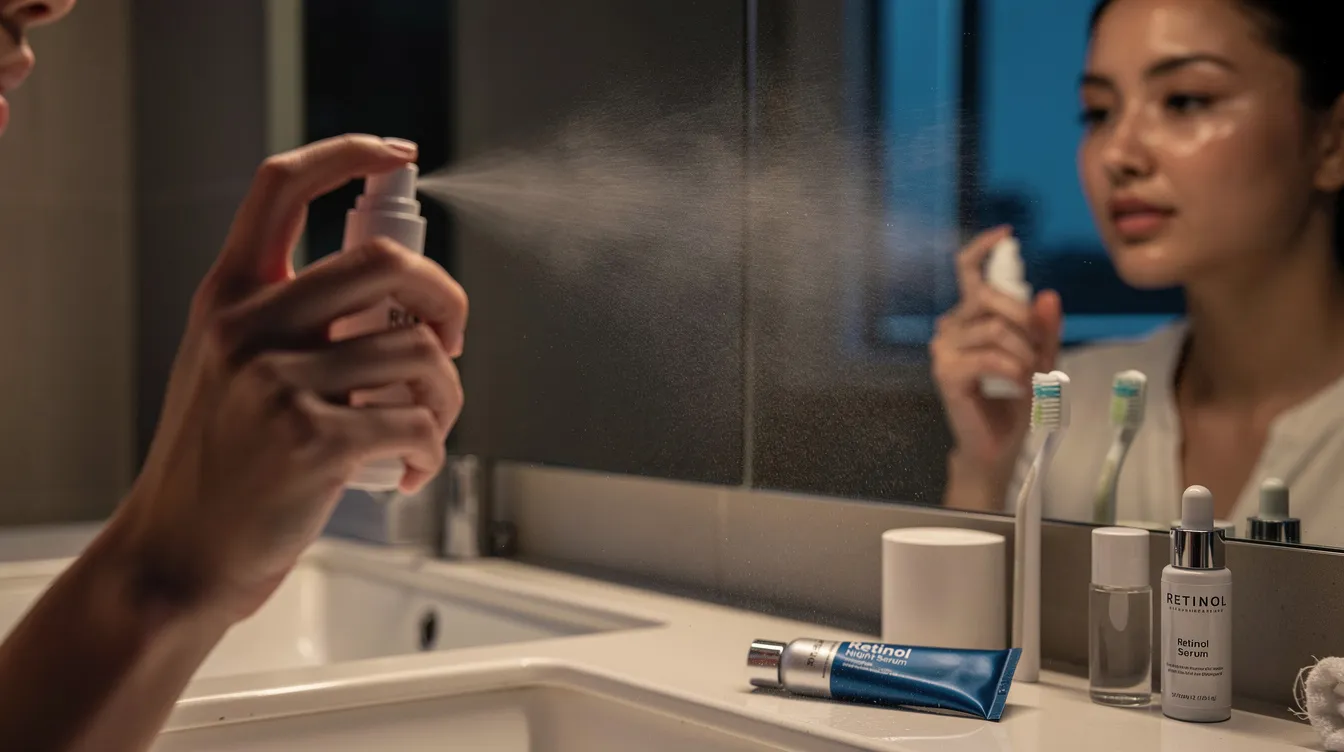
Order matters. Applying retinol onto damp skin can increase the chance of irritation, so allow hypochlorous acid to dry fully before applying retinol.
Morning Routine
- Cleanse gently, or rinse with water if your skin feels very dry.
- Apply hypochlorous acid spray 6–8 inches from the face.
- Add a hydrating serum if your skin tolerates it.
- Use moisturizer to support the skin barrier.
- Apply broad-spectrum sunscreen, because retinol can make skin more sensitive to sun exposure.
Evening Routine
- Cleanse gently, especially after sweat, sunscreen, or makeup.
- Use hypochlorous acid spray on clean skin.
- Let skin fully dry.
- Apply retinol on alternate nights if your skin is sensitive.
- Finish with moisturizer.
Application Tips
- Separate hypochlorous acid and retinol by dry time, not necessarily by different days.
- Do not rub aggressively when skin feels hot, tight, or irritated.
- Use strong vitamin C at a different time of day if your skin is reactive.
- Avoid stacking retinol with salicylic acid, glycolic acid, peels, or scrubs in the same routine.
- Use fewer retinol nights if your skin feels dry, flaky, or sensitive.
Frequency Guidelines
- Use hypochlorous acid 1–3 times daily, depending on your skin’s comfort level.
- Start retinol 2–3 nights weekly if you are new to it or prone to irritation.
- Reduce or pause retinol if burning, persistent stinging, or peeling develops.
- Increase retinol frequency only when your skin feels stable.
"If irritation is acute, strip the routine to gentle cleansing, hypochlorous acid spray, and simple moisturizer. Hold retinol until redness and burning settle."
If your skin already feels overworked, this guide may help: Retinol Irritation Rescue.
Safety, Side Effects, and Who Should Use Hypochlorous Acid
Hypochlorous acid is generally well tolerated at cosmetic-use concentrations. Retinol is more likely to cause dryness, redness, peeling, or stinging, especially when used too often or layered with too many strong actives.
- HOCl does not usually cause purging because it does not speed up cell turnover like retinol or exfoliating acids.
- Retinol can cause dryness, flaking, redness, and temporary breakout changes during the adjustment period.
- People who may benefit from HOCl support include acne-prone adults, gym-goers, people with frequent visible redness, and those prone to overusing acids.
- Patch test when combining new products, especially if you have a history of retinol barrier damage.
- Pregnancy and breastfeeding require medical guidance. Retinoids are typically avoided during pregnancy, so ask a healthcare professional before use.
Rare reactions
- Stop use if itching, burning, rash, or worsening irritation occurs.
- Reduce frequency if HOCl or retinol leaves skin feeling dry or uncomfortable.
- Avoid direct eye contact with both HOCl spray and retinol products.
When to see a professional
- Seek care for painful redness, oozing, swelling, or persistent burning.
- Ask a dermatologist if acne does not improve or worsens with over-the-counter routines.
- Get guidance for eczema, rosacea, complex skin conditions, or prescription retinoid use.
Frequently Asked Questions About Using Hypochlorous Acid with Retinol
Can I use hypochlorous acid and retinol on the same night?
Yes. Use hypochlorous acid first on clean skin, let it dry completely, then apply retinol and moisturizer. If your skin is very sensitive, start by using retinol only a few nights per week.
Does hypochlorous acid deactivate retinol?
There is no strong evidence that cosmetic-use HOCl meaningfully deactivates retinol when used with proper dry time. Let hypochlorous acid dry fully before applying retinol to reduce the chance of irritation.
Should I apply hypochlorous acid before or after retinol?
Most people should apply hypochlorous acid before retinol on clean skin, then wait until the skin is fully dry. Applying retinol to damp skin can make it feel more irritating for some people.
Is it safe to use hypochlorous acid spray every day with prescription retinoids?
Often, yes, but prescription retinoids such as tretinoin deserve extra caution. Patch test first and ask your dermatologist if you have ongoing redness, peeling, or burning.
Can hypochlorous acid help if I overdid retinol?
Hypochlorous acid can support skin that feels red, reactive, or uncomfortable while retinol is paused. Keep the routine minimal with gentle cleansing and moisturizer until the skin feels calm again.
Can I combine hypochlorous acid with vitamin C and retinol?
It is usually better to separate them if your skin is sensitive. A practical routine is vitamin C in the morning, hypochlorous acid after cleansing, and retinol at night when your skin tolerates it.
Is hypochlorous acid safe around the eyes?
Avoid spraying directly into the eyes. If using HOCl near the eye area, mist indirectly and follow the product directions. Be extra cautious with retinol near the eyes, especially if the area is dry or sensitive.